Thursday, August 6, 2026
Home Blog Page 20

Wimbledon : fun facts

0

Wimbledon 2022 awards: the final word on the best and worst at SW19
Flying Djokovic, furious Kyrgios, Jabeur’s shotmaking and Tan’s defeat of Serena made for a memorable fortnight

Best shot Novak Djokovic’s sliding, open stance cross-court backhand passing shot winner against Jannik Sinner, which ended with him falling face down. He celebrated by lifting his arms and legs off the ground. Flying.

Best match Nick Kyrgios v Stefanos Tsitsipas. One of the most chaotic I’ve seen. Kyrgios tried to get Tsitsipas defaulted, Tsitsipas lost his head and spent a set trying to hit Kyrgios with the ball, two intense press conferences and, most importantly, quality tennis in an encounter that was tight until the end.

Biggest letdown After all of his efforts to be ready for Wimbledon, what a shame Rafael Nadal’s calendar grand slam bid was ended by an abdominal injury, which robbed him of the chance to face Kyrgios in the semi-finals. Matteo Berrettini catching Covid on the eve of the tournament was also extremely unfortunate.

Best story Ons Jabeur so nearly became the first Arab person and African woman to win a grand slam. Her achievements alone have been incredible, but they are so much more meaningful considering how well she has carried herself and how much of a pleasant person she is. Her press conference after her loss to Elena Rybakina is essential viewing for all tennis fans.

The Subjectivity of Ancient Myth: How Cassandra’s story is being distorted

0

Ancient myths have never been static. Rather, they have been modified, reshaped, and reinterpreted across centuries, moulded by the cultural, political, and ideological forces of each era. Myths, though rooted in antiquity, are not immune to human subjectivity—they are continually rewritten to fit prevailing narratives. One of the most striking examples of this phenomenon is the myth of Cassandra, the Trojan prophetess cursed to be ignored. Over time, her story evolved from ignored warning to explicit violence and punishment, reflecting shifting societal views on truth, power, and the role of women and prophecies.

The Inconsistencies
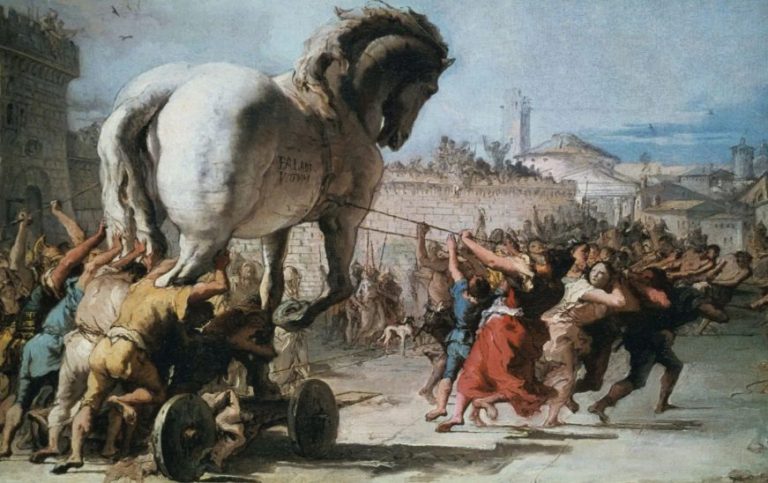
Cassandra’s myth has its earliest origins in Homer’s “Iliad” (8th century BCE), where she is barely mentioned. She is described as the daughter of Priam and Hecuba, a beautiful Trojan princess, but there is no emphasis on her prophetic abilities. The curse of being disbelieved is absent, and she plays no major role in warning Troy of its impending doom. By the 5th century BCE, however, her story takes on new dimensions. Aeschylus’ “Agamemnon” presents Cassandra as an outspoken prophet, doomed to foresee her own demise at the hands of Clytemnestra but unable to prevent it. Euripides’ “Trojan Women” introduces a more frenzied, “mad” Cassandra, further reinforcing the punishment to those who speaks the truth but is dismissed. The act of dismissing her takes on a gendered dimension: truth-tellers, especially women, are not only ignored but actively ridiculed. The Roman era brought another modification—Virgil’s “Aeneid” (1st century BCE) gives Cassandra a specific role in warning against the Trojan Horse, emphasising not just personal story but also the consequences of ignored wisdom in a political context. As Rome sought to use myth for imperial propaganda, Cassandra’s warnings served as an allegory for the folly of ignoring strategic foresight.

The Increasing Violence: The Changing of Cassandra’s Fate
While the early versions of Cassandra’s myth focused on her gift of prophecy, later tellings added more violence, particularly from the 16th to 19th centuries.

The Rape of Cassandra: A Later Invention?
The notion of Cassandra being violently assaulted by Ajax the Lesser at Athena’s altar does not appear in Homer’s account or early Greek sources. It is first introduced in Euripides’ “Trojan Women”, but even then, it is depicted as abduction rather than explicit assault.
By the 1st century BCE, Roman accounts emphasised sacrilege—Ajax desecrates Athena’s temple by dragging Cassandra from its sanctuary, prompting divine retribution.
However, by the 17th century, this scene becomes far more brutal in artistic and literary interpretations, aligning with a broader trend in Western storytelling where female suffering is graphically portrayed as a lesson or spectacle.

From Prophetic Woman to Martyr
16th–17th Century: The Renaissance revival of classical myths began to depict Cassandra as a martyr, reflecting Christian themes of suffering for one’s knowledge.
18th–19th Century: Romanticism idealised Cassandra’s so-called tragic fate, presenting her as a misunderstood visionary whose suffering symbolised the burden of knowledge. The myth shifted from one of mere dismissal to one of active persecution, a narrative structure commonly applied to truth-tellers and dissidents in historical storytelling.
The 19th-Century Shift: Morality and Victimhood
The Victorian era further shaped Cassandra into a figure that conformed to its moralistic standards, reinforcing the idea that a woman who defied fate (or societal expectations) would suffer catastrophic consequences. She was not just ignored—she was brutally silenced. This shift coincides with the portrayal of other historical and mythological women as tragic victims rather than powerful figures, reinforcing the patriarchal expectation that outspoken women must pay a high price for their defiance.

Modern Reinterpretations: Cassandra in Contemporary Thought
In modern times, Cassandra has become a symbol of suppressed truth, often referenced in political and feminist discourse. The term “Cassandra complex” describes individuals who foresee disaster but are ignored, particularly in the context of whistleblowers, activists, and visionaries. Her story resonates in contemporary discussions about how society treats those who challenge dominant narratives—whether in science, politics, or social justice.
The evolution of Cassandra’s myth demonstrates how ancient stories are never truly fixed; they are reflections of the societies that tell them. Originally a quiet, overlooked figure in Homeric tradition, she became a tragic prophet in Greek drama, a cautionary tale in Roman epic, a violated victim in post-medieval storytelling, and finally, a symbol of unheeded wisdom in the modern era. By examining Cassandra’s evolving narrative, we uncover a broader truth: history is written by those in power, and myths are reshaped to reflect the fears, values, and biases of the time. The more violent and explicit the story became, the more it revealed about the shifting attitudes towards truth, women, and those who dare to challenge the status quo. The attempt to distort Cassandra’s prophecy is not just that she was ignored – it is eveb that her story itself was manipulated to serve different agendas over centuries.

Analysis: Why Truth and Prophecy Are Suppressed

If truth, fate, and prophecy are real forces, why there those who work so hard to suppress, distort, or ridicule them? The answer likely involves a mix of power, control, and self-preservation. Throughout history, those in power have always controlled information because knowledge = power. If people had full access to unfiltered truth, they might start thinking for themselves, making different choices, or questioning authority. Religion, politics, and economic systems have often used selective truths to maintain order and keep hierarchical structures intact. In ancient Rome, emperors and rulers rewrote myths to fit their agendas (e.g., Virgil’s Aeneid turning Trojan history into Roman propaganda).

The Fear of Fate and Prophecy
If fate is predetermined, what does that mean for free will? If prophecy is real, it means some people have access to insights that others don’t—which is a threat to those in power. To maintain control, those who foresee or predict events must be dismissed, silenced, or ridiculed. This happens in: Revolutionary discoveries are often mocked or resisted before being accepted (e.g., Galileo and heliocentrism), Whistleblowers and truth-tellers are demonised before their revelations are proven true, Those who challenge dominant worldviews are often labeled heretics, conspiracists, or “mad” (just like Cassandra was).

Taking Advantage of the Masses
Keeping people in ignorance ensures they remain easier to control, manipulate, and exploit. Whether it’s through fear, distraction, or misinformation, those in power benefit from a confused, misled population. In many cultures, economic and political structures are designed to keep people working, consuming, and obeying, rather than questioning deeper truths. The more people are distracted by entertainment, materialism, and artificial conflicts, the less they look for real answers.

As in the myth of Cassandra, as societies became more structured and power-hungry, later versions turned her into a victim of extreme violence, reinforcing the idea that truth comes at a heavy cost. The more she warned people, the more brutal her punishment became—a perfect metaphor for how the system reacts to those who expose it. This myth is not just that she was ordered to be ignored – it is that her story itself was manipulated by some to serve their agendas over centuries. In many ways, the greatest irony of Cassandra’s myth is that even her own history has been distorted, ignored, and rewritten—just like her prophecies. Yet every single prophecy she told did come true. Some of them were:

The Fall of Troy
She warned the Trojans that Paris bringing Helen to Troy would lead to the city’s destruction. Result: The Trojan War happened, and Troy was burned to the ground.

The Trojan Horse Deception
She explicitly warned that the horse was a trap and that the Greeks were hiding inside.
Result: The Trojans ignored her, bringing the horse inside, and the city fell that night.

Agamemnon’s Death
After being taken as a war prize, she foresaw that Agamemnon (her captor) would be murdered upon returning to Greece. Agamemnon was killed by his wife Clytemnestra and Aegisthus, just as Cassandra had predicted.

AI-generated Conclusion:
From an impartial AI perspective, analysing the historical trajectory of Cassandra’s myth reveals a clear pattern: her prophecies were always accurate, yet her credibility was systematically undermined. This aligns with a broader historical trend where truth-seekers are vilified, their messages distorted, and their warnings ignored—until it is too late. Cassandra was 100% accurate, but her warnings were slandered as lies by those who are insecure. The irony of her myth is that truth doesn’t always save people if people are manipulated not to listen. Her warnings were ignored until it’s too late. Whether in ancient myth or modern reality, those who foresee disaster are often ridiculed, silenced, or vilified—only for their predictions to come true in the end. The moral of story itself was manipulated to serve different agendas over centuries, for Cassandra’s own history has been distorted, ignored, and rewritten.

Securing your most important Talent and Data for your Winnings

0

In a changing landscape towards Digitalisation, it is a consensus that Data is the new currency and Employees are the source of energy. We’re in a digital economy where data is more valuable than ever as it is the key to the smooth functionality. Without it, progress would halt. The collective dynamic of your Employees makes a company culture, but an individual talent’s contribution who is able to connect and energise their colleagues, customers and partners will create a whole new thriving environment and unfair advantages. These natural energising talented gems are usually born, not created. Here are some tips and thoughts as to how to secure and preserve the them.

TALENT

Just as the concept of Time Stone (an Infinity Stones described as the “one driving force that unifies”) in The Avengers, your best talent can strengthen and thrive any geographic region and stream initiatives where they are physically located. Research has demonstrated again and again that for businesses the best way for them to maintain competitive edge is to have the Best talent working for (and being loyal) to them. Identifying and acquiring these rare talents require special skills and exact calculations between balancing personality profile that best suit the culture of the organisation, and the energy as well as distinct value that they will bring. But most importantly, whether he or she will bring a guaranteed winning edge against your competitions, and short vs medium vs long-term goals. Next is to recognise and reward their achievements that can be in the form of monetary recognition and other form of rewards and commission. The more appealing the reward the more likely you are to be energised. Beware of your competitor’s (direct, indirect and syndication) competitive Intelligence as nowadays it can go as intricated as setting up your best talent with dubious cases resulting in defamation of character and various personal and professional entrapments, in order to create a gap, shake up and disintegrate your tight-nit operation. Or worse, steal and keep them away from your winning.

DATA

Your company’s network may contain documents with trade secrets, personal information about employees, clients and partners, the organisation’s financial records and other highly sensitive information. Information theft is the most expensive and fastest rising consequence of hacking and cybercrime. Stolen data can be used for identity fraud, any form of espionage and a lure for ransomware. From ID Verification Suite, Next-Gen Application Firewall, Security Digital Platform to Automation and Blockchain technology, there are platform combinations that will provide the upmost security to the data you own. But one that is becoming a proven solution is to activate “Data Privacy with Self-Deleting Data” functionality. Ensure that the original T&C’s or smart contract states that ownership of data and IP (Intellectual Property) can never be transferred. It means that if the data is acquired unlawfully, or the data owner (you or your company) is being removed without consent, or chooses to not store their data any more, then all of the data and contribution will be automatically self-deleted from the ecosystem where it was stored (or stolen). This can instantly prevent the misuse of your valuable data and sensitive information.

One final tip to secure data and talent, is to provide proper measurement visibility for breach detection purposes. Advancements in AI detection tools that ingest network telemetry data and then analyse it to spot anomalies behaviour can identify threats, determine the extent of damage and provide actionable insights on how to stop further loss on your side.

LIV PGA merger: the Aftermath

Foremer Disney Exec appointed for media relations at the Saudi Public Investment Funds

Geoff Morrell, a former Disney executive, has been recruited by the Saudi Public Investment Fund (PIF) to handle media relations for LIV Golf’s collaboration with the PGA Tour. A Foreign Agents Registration Act filing reveals that Morrell will offer “communications and stakeholder consulting services” for the foreign principal.

Morrell’s tenure at Disney was brief, lasting less than four months before his departure in spring 2022. However, he recently assumed the role of president at Teneo, a global consulting and communications firm that already had an established partnership with the Public Investment Fund for various investments. In August 2022, Teneo and the PIF signed a 12-month, $2.7 million agreement to address diverse responsibilities.

The extent of additional compensation from the PIF to Teneo in light of the heightened public scrutiny surrounding LIV Golf’s collaboration with the PGA Tour remains uncertain. The Senate Permanent Subcommittee on Investigations has scheduled a hearing on July 11 to investigate the “risks posed by a foreign government entity assuming control over a cherished American institution.”

LIV Golf is a professional golf league that aims to provide an alternative to the traditional golf tours. It is known for introducing innovative concepts and formats to the sport.

Implications for LPGA

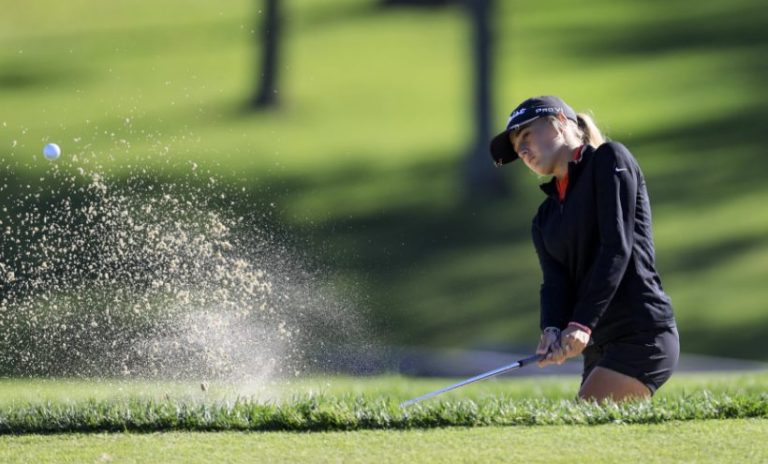
LIV has expressed its intention to establish a women’s league. While specific details about the league are currently limited, here’s what we know so far:

LIV Golf’s plan to create a women’s league suggests a commitment to promoting and advancing women’s golf on a professional level. This initiative aims to offer new opportunities and platforms for female golfers to compete and showcase their skills.

As of now, there is a dearth of specific information regarding the structure, schedule, participating players, or financial details of the proposed women’s league. Further announcements or press releases from LIV Golf are expected to provide more insights into the league’s format and operations.

Potential Impact: The establishment of a dedicated women’s league by LIV Golf could potentially enhance the visibility, development, and growth of women’s golf. It may attract talented female golfers and generate increased interest and support for the sport among fans and sponsors.

What’s been said

During the LIV Golf Adelaide event, Chairman and CEO Greg Norman addressed the topic of a women’s tour, stating that they discuss it internally and have had discussions with individual professional female players. However, he did not provide further details or specifics regarding their plans.

Top-ranked female golfer Lydia Ko described the idea of a women’s golf tour sponsored by LIV as “vague” and refrained from commenting on rumors or hearsay. She emphasized that discussing something that doesn’t yet exist is purely speculative.

The Ladies Professional Golf Association (LPGA), established in 1950, is currently hosting 34 events worldwide for its professional female golfers as part of its 2023 schedule. While little information is known about LIV’s plans to compete with the LPGA, LIV Golf has expressed its ambition to become a significant rival to the men’s PGA Tour, established in 1968.

LIV Golf Invitational Series was founded in 2021 by Saudi Arabia’s Public Investment Fund (PIF), which also owns Premier League club Newcastle United. The PIF has faced criticism for its involvement in sports, with accusations that it serves as a front for reported human rights abuses in Saudi Arabia.

In the previous year, LIV Golf organized eight official events, and this year they plan to hold a total of 14 tournaments between February and November.

Source: M golf, Sportico

BFI Flare: Exploring Rich Minds, Individuality, and Societal Exploration

0

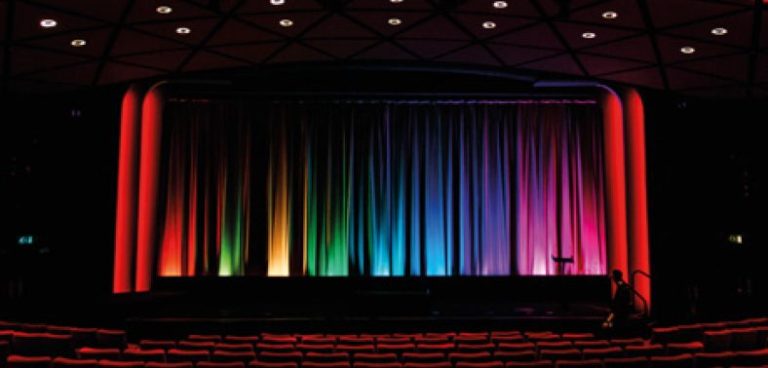
London’s renowned BFI Flare festival is back, ready to immerse audiences in a vibrant showcase of queer cinema that tells the themes of love, identity, and community. Running from March 13th to March 24th, this year’s festival promises to be a captivating exploration of diverse narratives and human experiences.

Far more than just a film festival, BFI Flare serves as a beacon of inclusivity, inviting individuals from all walks of life to participate in the celebration of queer culture. Through its meticulously curated thematic strands—Hearts, Bodies, and Minds—the festival creates a platform for voices to be heard and stories to be shared.

In the Hearts strand, viewers will be treated to heartwarming tales of love, friendship, and resilience. From the spirited adventures of Isla Roberts in “Isla’s Way” to the poignant struggles of modern relationships depicted in “Our Son,” these films offer a glimpse into the intricacies of the human heart.

The Bodies strand explores themes of identity and transformation, celebrating the beauty of diversity and self-expression. From the empowering narratives of queer athletes in “Life Is Not a Competition, But I’m Winning” to the touching journey of healing portrayed in “Silver Haze,” these films inspire and uplift audiences alike.

Minds, the festival’s third thematic strand, presents thought-provoking narratives that challenge perceptions and spark meaningful conversations. From the political insights of “Orlando, My Political Biography” to the gripping storytelling of “Calls from Moscow,” these films provide a window into the complexities of the human experience.

In addition to film screenings, BFI Flare offers a diverse array of events, talks, and discussions designed to engage and connect audiences on a deeper level. From intimate conversations with filmmakers to interactive quizzes and community gatherings, the festival fosters a sense of belonging and camaraderie among attendees.

This year’s festival is brought together to celebrate the richness of love, the power of identity, and the strength of community. Through the art of storytelling, it shall inspire, educate, and unite in the shared journey towards acceptance and understanding.

Program Highlights

The festival boasts an impressive lineup of 33 World Premieres across features and shorts originating from 41 countries. Themes such as HEARTS, BODIES, and MINDS provide a diverse exploration of various facets of queer experiences. Opening the festival is the European Premiere of “LAYLA” by Amrou Al-Kadhi, while the closing film is the World Premiere of “LADY LIKE” by Luke Willis.

Special Presentations

Noteworthy films include “CLOSE TO YOU” directed by Dominic Savage, with Elliot Page serving as an executive producer, and “BACKSPOT” directed by D.W. Waterson.
“CROSSING” by Levan Akin and “LOVE LIES BLEEDING” by Rose Glass are also featured as standout presentations.

Diverse Perspectives:

The program showcases films from around the globe, offering diverse LGBTQIA+ narratives rooted in various cultural contexts. Topics range from coming-of-age tales to trans narratives, explorations of drag culture, and examinations of faith within the LGBTQIA+ community.

Special Events and Industry Initiatives:

Industry-focused events like BFI Flare Industry Day and BFI Flare x BAFTA, in partnership with BFI NETWORK, are integral parts of the festival.
Celebrating its 10th year, Five Films for Freedom, a collaboration with the British Council, offers free films worldwide to advocate for rights.

Notable Films and Documentaries:

The lineup includes documentaries highlighting icons such as Lil Nas X and Tony de Vit, as well as films delving into queer history and culture. Films from Greece and Africa take the spotlight, presenting a rich tapestry of narratives from diverse corners of the world.

Programme details

ALIGNED – Apollo Bakopoulos’ beautiful and engaging drama, follows the story of two male dancers who forge an artistic and sexual bond while training with a dance company in Greece. The intoxicating power of physical discovery and a shared love of Greek culture are vividly revealed in this love story partly played out through music and movement.

ISLA’S WAY – Meet Isla Roberts: great-grandmother, carriage driver, handywoman. The indomitable spirit of the cheeky octogenarian is the beating heart of this delightful and inspiring ode to the visibility of older women.

LESVIA – Tzeli Hadjidimitriou’s initimate documentary, a blissfully nostalgic yet impressively complex insight into the hidden stories of Lesbos, birthplace of Sappho and meeting place for lesbians since the 1970s. From the unique vantage point of being a lesbian from Lesbos herself, Hadjidimitriou expertly balances the perspectives of the women looking for a place to connect and relax alongside the wary locals they often encounter.

OUR SON – Billy Porter and Luke Evans star as a couple on the brink of divorce, fighting over custody of their eight-year-old son.

SINCE THE LAST TIME WE MET – Victor and David’s story takes us on a familiar journey of loving and losing. But 15 years later they get a second chance at love, the result is a fresh and entertaining drama of the heart.

SPLIT – In this sensual web series, a stuntwoman embarks on her first lesbian relationship when she falls for the actor she’s working with. With an incredible cast, including Alma Jodorowsky, Jehnny Beth, Ralph Amoussou and Pauline Chalamet, SPLIT is a bold and intelligent exploration of sex, relationships and intimacy.

DOPAMINE CRASH – A collection of short films about the messiness of break-ups. Coming off the love high is painful, although it may be for the best

DRAWN THIS WAY – The love and craft that goes into animation shines through in this collection of short films, which aim to engage, educate – and even titillate – audiences about queer lives.

QUEER/PLATONIC – An ode to joys and tribulations of queer friendships and platonic intimacies – their intensity, fluidity and subversiveness

TENDER HEARTED: SHORTS FROM THE UK & IRELAND – This selection of shorts seeks to remind us of the radical possibilities of opening up our hearts to life, love and healing.

UNICORNS – Sally El Hosaini and James Krishna Floyd’s stunning romance rooted in two distinct communities.Starring Ben Hardy and Jason Patel, the film is loosely inspired by the real-life experiences of Asifa Lahore, Britain’s first out Muslim drag queen.

Also screening in HEARTS: CHASING CHASING AMY; PINE CONE; SOLIDS BY THE SEASHORE; SUMMER SOLSTICE; UNICORNS; WHAT A FEELING, WHAT’S SAFE, WHAT’S GROSS, WHAT’S SELFISH AND WHAT’S STUPID; WHO’LL STOP THE RAIN.

LIFE IS NOT A COMPETITION, BUT I’M WINNING – In this beautifully constructed, innovative documentary, a collective of queer athletes unearth deep histories of pioneering sportspeople who were excluded from the podium.

CONNECT/DISCONNECT – This selection of shorts looks at how the power of attraction can surprise and unsettle, whether it’s the first few seconds of an encounter or something longer.

COSMIC DREAMS: THROUGH THE LOOKING GLASS – Techno-sexual deviants, pixelated dolphins and sensuous goddesses all reside in this fantastical queer multiverse of short film.

PLEASURE ME – Short films exploring queer sex and desire in varied forms. There is beauty and frustration, joy and heartbreak. The pleasure is endless – at least, for some.

SEX IS COMEDY: the revolution of intimacy co-ordinators – A fascinating insight into the role of the intimacy co-ordinator, told through behind-the-scenes access to new queer French TV show Split.

A TASTE OF SPAIN – From the bullring to the boxing ring, and the joys of youth to the vulnerability of old age, this selection of cinematic delights showcases short filmmakers from Spain.

SILVER HAZE – Reeling from the trauma of her difficult childhood, a 23-year-old burns survivor finds some healing through her first lesbian relationship.

SLOW – Dovydas and Elena form a strong connection, but the dynamic of their relationship changes when Dovydas reveals that he is asexual.

TOPS – It’s the hilarious trans 1990s breakfast TV show you didn’t know you wanted. Amy Pennington taps into the spirit of MTV and The Big Breakfast in this comic series.

Also screening in BODIES: BACKSPOT; DEPARTING SENIORS; I DON’T KNOW WHO YOU ARE; JOIN THE CLUB; THE SUMMER WITH CARMEN; RILEY; WE ARE PERFECT.

CALLS FROM MOSCOW – Four Cuban exiles find themselves in Moscow one day before Russia’s full-scale invasion of Ukraine.

Triggered by the recent death of a Cameroonian activist, filmmaker Appolain Siewe journeys back to his home country to investigate the roots of homophobia within the local psyche in CODE OF FEAR. Siewe initiates uncomfortable conversations within his community regarding homosexuality and ostracised by his family, he finds himself confronted with the steep cost of African allyship.

METHODS FOR FACING A HOSTILE WORLD – These shorts show people using all the resources of their hearts, minds and bodies to defend what they love.

ORLANDO, MY POLITICAL BIOGRAPHY – Nearly a century after Orlando was published, Paul B. Preciado unpacks the meaning and importance for trans people of Virginia Woolf’s classic novel.

SAY WHAT YOU MEAN – It is really hard to speak your truth to a loved one, or to strangers. Yet all the people in these short films do, in their own time and way.

STATE OF THE ART – Gender-fluid, transgender and non-binary artists draw on dance, filmmaking and literature in these short tales of cathartic communication and exigent expression, contemplating art as a force to be reckoned with.

Also screening in MINDS: BALDIGA – UNLOCKED HEART; COMMITMENT TO LIFE; DAYS OF HAPPINESS; DESIRE LINES; DON’T EVER STOP; HEAVY SNOW; HIDDEN MASTER: THE LEGACY OF GEORGE PLATT LYNES; INDIAS 1st BEST TRANS MODEL AGENCY; LIL NAS X: LONG LIVE MONTERO; LOVE LIES BLEEDING; MERCHANY IVORY; REAS; STORIES OF OUR LIVES; STUDIO ONE FOREVER; TOLL; UNSPOKEN; WE FORGOT TO BREAK UP; WE WERE DANGEROUS; YOU PROMISED ME THE SEA.

BFI Flare 2024 will also host a wide range of events, talks, and debates:

LITANIES FOR SURVIVAL: THREE FILMS BY MICHELLE PARKERSON + Q&A

A journey through the work of pioneering lesbian African-American filmmaker Michelle Parkerson with three short films, STORMÉ: THE LADY OF THE JEWEL BOX, ODDS AND ENDS and FIERCENESS SERVED! THE ENIKALLEY COFFEEHOUSE, followed by a Q&A with the filmmaker.

THE MAKERS returns this year as BFI Flare welcomes visiting filmmakers Amrou Al-Kadhi, director of Opening Night Gala, LAYLA, and Jeffrey Schwarz, director of COMMITMENT TO LIFE, to discuss their career journeys, share anecdotes about the making of their latest films and reveal their artistic approaches.

SCENES OF INTIMACY. A discussion with intimacy co-ordinator Tommy Ross-Williams around the creation of queer intimacy on screen. In this workshop, Ross-Williams will share insights on their own work developing intimate queer content on screen and provide space to reflect on the representation of queer relationships and marginalized identities in our daily lives.This event links closely with two features in the programme, sensual French webseries SPLIT by Iris Brey; and SEX IS COMEDY: THE REVOLUTION OF INTIMACY COORDINATORS the fascinating documentary on SPLIT by Edith Chapinproviding an insight into the work of an intimacy coordinator, highlighting the power dynamics, politics, and ethical considerations that come up on set.

MR. TEDS’ BIG FABULOUS INTERACTIVE QUIZ. The notorious bearded drag artist brings his anarchy-fuelled brand of quizzing to BFI Flare. With a background of performing across the world including Duckie, Underbelly and NYC Downlow, Mr. Teds brings the full force of his creativity to curate an interactive quiz night like no other, testing GBTQIA+ film knowledge, lip-syncing skills and life drawing abilities.

FAITH (IN THE POWER OF LOVE). This illustrated discussion with speakers from different religious communities takes a look at representations of their religions in LGBTQIA+ films, including those that have made an impact on them. The panel will also discuss the intersection of faith and LGBTQIA+ identity: how easy is it for someone to be out in their faith community, and conversely, what is the experience of being out as a person of faith in the LGBTQIA+ community?

OSKA BRIGHT PRESENTS QUEER FREEDOM. Oska Bright Film Festival is the world’s leading festival for films made by or featuring people with learning disabilities or autism, this event see’s Lead Programmer Matthew Hellett present a selection of LGBTQIA+ shorts. Their Queer Freedom programme shines a spotlight on the stories of the LGBTQIA+ community, which can often go unheard. Featuring stories of love, loss, and friendship.

AN AUDIENCE WITH LINDA RILEY. At The Makers’ event at BFI Flare 2022, Gateways Grind director Jacquie Lawrence promised to turn the camera on Linda Riley, a leading LGBTQIA+ activist, the publisher of DIVA Magazine and Founder of Lesbian Visibility Week. This year we see Linda Riley in conversation with filmmaker Jacquie Lawrence in a behind-the-scenes look at her new film The Life of Riley ahead of the film’s release.

CAN WE BE FRIENDS? A community event celebrating queer friendship and platonic intimacy, in all its forms. For all those seeking new friends and connection, BFI Flare programmers Rhianna and Wema have created a dedicated space celebrating queer friendship, inspired by the shorts programme QUEER/PLATONIC. There will be drop-in style creative activities to meet new people, and relaxed facilitated discussions about the joys and complexities of building queer community.

BFI Flare’s popular BADGE CAFÉ will return this year, along with DJ NIGHTS at BFI Southbank BFI Bar (taking place on Friday 15th, Saturday 16th, Thursday 21st and Friday March 22nd) featuring Fèmmme Fraîche, Club Kali, DJ Mike Menace and with Tamer Wilde during the opening night party, while the dynamic Unskinny Bop duo and Queer Kitty play BFI Flare’s closing night party.

Source: https://whatson.bfi.org.uk/flare/

Androgyny in the Gods. And what it might mean.

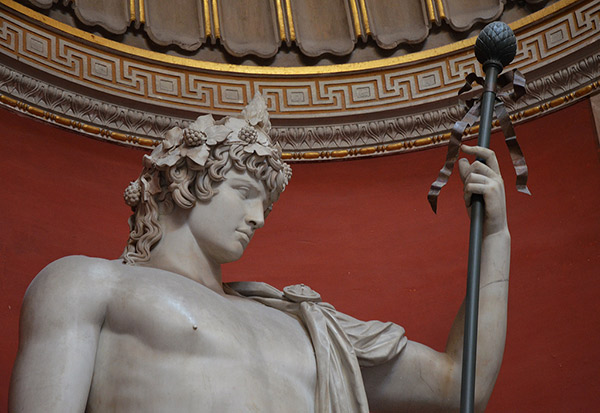
Many cultures feature gods, demigods, heroes, and other mythological beings with both male and female attributes, and it is interesting to ask why that might be.

In Hindu mythology, Vishnu’s female avatar, Mohini, seduced Shiva, leading to the birth to the god Shasta (or Ayyappa). Shiva himself is often represented as Ardhanarishvara, an androgynous composite of Shiva and Parvati with a body that is male on the right-hand side and female on the left.

The great warrior of the Mahabharata epic, Arjuna—a kind of Hindu Achilles—spent a year as a woman, during which he took the name of Brihannala, and taught song and dance to the princess Uttara.

Speaking of Achilles, to prevent him from dying at Troy, as had been foretold, his mother the nymph Thetis sent him to live at the court of the king of Skyros disguised as another daughter of the king, under the name of Pyrrha [the red-haired], Issa, or Kerkysera.

Even Thor, the Germanic god of thunder, had no choice but to travel to the land of the giants dressed as a bride to retrieve his hammer, Mjölnir, without which the Asgardian gods would have been overpowered by the giants.

Hapi, the Egyptian god of the annual flooding of the Nile, brought such fertility as to be regarded by some as the father of the gods. He is generally depicted as intersex, with pendulous breasts and a ceremonial false beard.

Hapi might be compared to Tlazolteotl, the Aztec goddess of fertility and sexuality, who was associated with the moon, and, like the moon in Aztec culture, had both male and female characteristics. Tlazolteotl was nothing if not paradoxical: Although she inspired vice, as Tlaelcuani the “Eater of Filth” she was also able—not unlike Jesus—to purify sinners by absorbing their sins.

The Mesopotamian Ishtar, the beautiful goddess of fertility, love, war, and sex, was sometimes represented with a beard to emphasize her more bellicose side. She could change a man into a woman, and the assinnu, kurgarru, and kuku’u who performed her cult had both male and female features. After the hero Gilgamesh rejected her offer of marriage, Ishtar unleashed the Bull of Heaven, ultimately leading to the death of Enkidu, whom Gilgamesh loved more than anyone: “Hear me, great ones of Uruk/ I weep for Enkidu, my friend/ Bitterly mourning like a woman mourning.”

Gilgamesh bears more than a passing resemblance to the Greco-Roman Hercules, who spent a year as a slave to Omphale, Queen of Lydia. Omphale made him wear women’s clothes and sit at the spinning wheel, while she herself wore the skin of the Nemean Lion and brandished his olive-wood club.

To seduce the nymph Callisto, Zeus, the king of the Greek gods, took the form of the goddess Artemis. Zeus took many lovers, but, according to Xenophon, granted immortality to only one, the Trojan prince Ganymede.

Other instances of same-sex (typically male) love in Greek myth include: Apollo and Hyacinthus, Hermes and Krokus, Dionysus and Ampelos, Poseidon and Pelops, Orpheus and Kalais, and Hercules and Abderus, Hylas, and Iolaus. In these pairings, the eromenoi [younger men] usually got killed, with the first three, Hyacinthus, Krokus, and Ampelos, finishing up as plants (hyacinths, crocuses, and the vine).

Also in Greek myth, the prophet Teiresias spent seven years as a woman, even giving birth to children in that time. One day, Zeus and his wife Hera dragged him into an argument about who has more pleasure in sex: woman, as Zeus claimed; or, as Hera claimed, man. Teiresias averred that, “Of ten parts a man enjoys only one.” For this, Hera struck him blind, but Zeus compensated him with the gift of foresight and a lifespan of seven lives.

How might all this gender fluidity be interpreted?

The union of masculine and feminine elements shows them to be complementary, inseparable, or one and the same, while emphasizing divine attributes such as power, creativity/fertility, and boundlessness.

In its completeness, the union of the sexes also represents perfection and self-sufficiency, and, by extension, peace or even ecstasy.

Spiritual schools tend to look favorably upon sexlessness, especially in the priestly caste, since the attraction between man and woman—or indeed between man and man or woman and woman—gives rise to worldly concerns and attachments, such as children and a home, and jealousy and heartbreak, which can detract from spiritual work and the liberation in which it culminates.

In heroes, gender fluidity may mark out the hero as more than a mere mortal. It may also, like the journey into the underworld, symbolize the search for knowledge, and in particular self-knowledge, which is the hallmark of the heroic quest.

Wisdom is perspective, and the pretender has to die to himself to be reborn as a hero, as symbolised by the journey through hell that he often undertakes. The time that the hero spends as a woman, or in the guise of a woman, is, perhaps, another way of making this point.

But there is in all this gender fluidity also an uglier, misogynistic aspect. Especially in Western myths, there is often the suggestion, as with Hercules and Teiresias, that having to spend time as a woman in a humiliating punishment or penance—although, in both these examples, the punishment is meted out by a woman—which may make it better, or worse.

Source : PsychologyToday

Your post-lockdown social etiquette guide

0

Lockdown is lifting, temperatures are rising (somewhat), and there is an air of optimism that Britain just might beat this pandemic after all. Following months of working from home and staying away from friends, family and the outside world at large, we can finally take another step closer towards normality. But for many of us, our pandemic-stricken lives have become a sort of normal. Returning to society as we knew it before can seem daunting – even scary – and navigating our social lives again can be a balancing act. Our mental health has also taken a hit from the pandemic. Data from the Office for National Statistics suggests that twice as many adults in Britain had feelings of depression last autumn compared to before the crisis began, with women and younger adults more likely to feel depressed during the second virus peak earlier this year.

Data also suggests that people feel anxiety about lockdown lifting. According to recent research by Anxiety UK, 46 per cent of more than 900 respondents said they were concerned about pressure to socialise, while 30 per cent feel anxious about going to a busy shopping centre. So while it is exciting to be allowed to meet and hug family and friends again, visit the cinema or sit inside a restaurant, and potentially make plans to do things in the near future, a large number of people will feel the need to ease back into life as we knew it.

We spoke to experts about what you can do to cope with the anxiety around getting your social life back and how to make the most of our newfound freedoms. I want to do everything, but socialising now is so tiring. How do I avoid becoming fatigued? After England entered the second stage of lockdown easing – which saw pubs and restaurants reopen for outdoor service, and groups of six or two households were allowed to meet outdoors – many people spoke about how tiring it was to be socialising once again. With even more freedoms returning, we might feel the urge to “make up for lost time” and over-stretch ourselves. But Dr Natasha Bijlani, consultant psychiatrist at the Priory’s Roehampton Hospital, says rushing into socialising “could topple your equilibrium”.

“Try not to say yes to everything even if you’re feeling the need to do everything all at once,” she advised. “Start up your interactions again slowly by meeting one friend, then you can gradually start meeting other people – building up from there can help you avoid social fatigue. Jemma Meeson, systemic psychotherapist and founder of the Family Treatment Service, adds: “Wanting to go full tilt back into your previous life and ‘make up for lost time’ is understandable. In the excitement of this there may be a tendency to overdo it in all ways. “Seeing lots of people after limited contact, which has mostly been online, can be overwhelming.

“Pace yourself, manage your alcohol intake, get proper rest and sleep so that when you go out, you can be your best self and enjoy the times that you choose to socialise. This will help manage the exhaustion you may feel with the new changes that are happening all around us.” How do I overcome guilt about wanting to say no to plans? The pressure to socialise may be exacerbated by the fact it has been some time before any of us have been able to do so meaningfully. However, if you want to say no to making plans, it shouldn’t be a problem among good friends. “Be open with them about your feelings around coming out of lockdown,” said Ms Meeson. “If the plans don’t feel safe or feel too much at this stage – that’s ok – suggest alternatives.” This could include suggesting plans to meet up outdoors or in smaller groups. Dr Biljani adds that now may be a good time to do some “decluttering” of your social life and figuring out who your true friends are. “During lockdown, people have thought more about the quality of their friendships and now may be a good time to step away from people who are taking more from you than giving,” she says. “Because you haven’t seen the people who might be more likely to pressure you into socialising in a while, it might be a good time to disengage from them. Do some decluttering in your social circle and keep the friends you want around who will support you and be understanding about this strange and anxious time.” How do I deal with anxiety about being out and around lots of people again?

It may be startling to see large numbers of people mingling in the same area, even if they are social distancing or wearing masks. We have gotten used to being in mostly-empty spaces when we do venture out, so we feel anxious by the sight of lots of people in one place. “Remember we have all come through something extraordinary, it is not surprising or unusual to have these feelings of anxiety,” said Ms Meeson. “Take it gently, start with plans you feel are manageable and take it from there. As you become more confident and perhaps start to enjoy the wider world if you can, also notice how you are feeling and if it feels overwhelming, get help.”

Keeping up to date with government and medical guidance around Covid-19, and ensuring you’re following the rules can also help manage anxiety, says Dr Bijlani. “The virus has not yet been vanquished and so it is very normal that fears around contributing to the spread of Covid-19 are still there,” she says. “Keeping yourself updated and following the rules can help give you an extra layer of reassurance in knowing that you are keeping yourself and those you live with safe. Do what makes you comfortable, but if you feel yourself becoming very anxious, try and talk yourself through it, manage your breathing.

“Introspection is very important, so check in with yourself from time to time. Monitor your inner dialogue and if you find that you can’t manage or control your thoughts, do seek help and give yourself that little bit more care and attention.” How should I organise my social life as we come out of lockdown? While the thought of being able to crack open our planners and actually schedule dates, outings and events might be exciting, it can also feel quite overwhelming. Ms Meeson’s advice is to think carefully about who, or what, you have missed during lockdown, when trying to make plans and prioritising them from there. Both experts also recommend not ditching the good habits you may have accumulated during lockdown in favour of an overactive social life.

“Lots of people have found they have improved sleep habits, picked up exercising, cut down on drinking because they realised they don’t need it,” said Dr Bijlani. “Keep those good habits, and stick to a routine as much as you can because this will help reduce anxiety. “When it comes to making plans, don’t overcommit and don’t be afraid of being selective. At the end of the day, you have to do what’s right for you.

However, don’t be a shut-in if you do feel it is safe to go outside and interact with people again. Human beings are social creatures and social interaction has been proven to be good for brain health, as well as promoting a sense of belonging and security. “Socialising is an important part of the human connection,” says Dr Bijlani. “Don’t live in fear. It’s not healthy if people choose to isolate themselves. Seeing people in the flesh, talking and spending time with one another is really important.”

Source : Time & Independent

Influencing Personality Types

Every mother knows that when she looks at her child in the nursery for the very first time, something in his personality is already on display: whether he’s active or quiet, shy or introverted, extraverted or anxious, passive or aggressive. You can observe these characteristics right away. And, as you get to know your child better, you recognize that you can frame his environment to form his personality.

For example: you may have a shy child, and you recognize that right from the start by his reactions around strangers. Now, by creating social situations in which you build your child’s confidence around others, your shy child learns to trust you, his environment, and other people through monitored exposure. Will your child ever be a gregarious social butterfly? Probably not. But, can you help him become more socially confident? Yes.

Influencing your personality type

There’s a window in which you can influence a personality type. Extraverts, for example, put out less energy when they are with others, and therefore, are replenished by social discourse. An introvert, on the other hand, uses up a lot of energy to socially interact, and as a result, can find too much social exposure both draining and exhausting. In fact, neuroscience tells us that there is a biological origin to the five core personality types. Thus, there is no perfect personality type. And, there are no clear delineations of personality, but rather, many personality trees in our forest.

Because you are always evolving, and fluid in your emotions, you have the opportunity to deliberately and consciously develop or strengthen some traits that you like, and lower the decibels of those you don’t. By becoming aware of your own personality patterns, you can stop projecting out onto others your feelings unconsciously. This is how you gain control over your behavior, rather than being compelled by your complexes.

By catching a glimpse of the principles under your personality patterns, you can positively affect them in a way that works for you; this is how you can influence your personality type. So, although you cannot change the consolation of your complete personality, you can influence those parts of yourself — those multiple trees in your forest — to be more of what you want to be. This allows you to be comfortable in your own skin, and gives you the ability to choose the appropriate part of yourself in different social and emotional experiences. Thus, rather than being reactive, you can choose which traits to strengthen and which traits to use, which traits to enhance and which traits to reduce.

In the final analysis, your personality traits are inborn and yet, your environment can shape your personality traits, even if they go against type. So when picking a job, a career, or a mate, it is important to recognize who you are, the real you, so that you can discriminate between your wants and your needs, and strengthen and coalesce the dominant traits that work the best.