Sunday, November 1, 2026
Home Blog Page 19

Unity and Empowerment in Full Spectrum

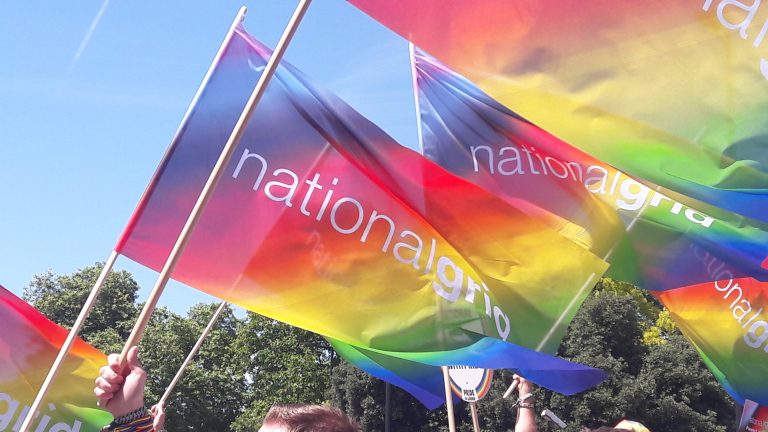
On a radiant Sunday, the streets of London were painted in a kaleidoscope of colors, sounds, and emotions as thousands gathered to celebrate Pride 2024. The annual event, organised by the not-for-profit group Pride in London, saw an estimated 32,000 participants from over 500 LGBTQ+ community groups and businesses come together to march in solidarity and celebration.

The parade commenced from Hyde Park, led by Mayor Sadiq Khan and his wife, Saadiya Khan. From giant peacock floats to motorbike formations and martial arts demonstrations, the procession was a feast for the eyes and ears. Attendees donned an array of outfits, from carnival costumes to gym gear, as they paraded through central London, ending at Trafalgar Square. Trafalgar Square was the epicenter of post-parade festivities, hosting live music, speeches, and performances. The event spanned several stages across the city, including the Dean Street Cabaret Stage, the Golden Square World Stage, and the LGBTQIA Women and Non-Binary Stage in Leicester Square. Performers like Princess Julia, Poppy Ajudha, Charlieeeee, Jaguar, and Ginger Johnson electrified the crowds, ensuring a memorable experience for all attendees. For many, Pride 2024 was a chance to come together, celebrate diversity, and feel a part of a larger community. A first-time attendee shared her excitement, saying, “I’ve always supported other people but never really participated myself. I’m marching to show diversity, to show that we’re not being minoritised. The friendship, people not judging you for who you are, and just having a good party—it’s all amazing.” The event wasn’t just confined to the parade and main stages. Areas like Soho Square, Leicester Square, and Victoria Embankment Gardens buzzed with activities, welcoming families and people of all ages to join in the festivities. Organisations such as Heart FM, Scouts, Co-op, JLR, H&M, London International Lesbians, London Lesbians Kickabout, Kingston LGBTQ, US Democrats abroad, The Mirror, Coca-Cola, Royal Ballet & Opera, and many more contributed to the vibrant atmosphere.

Women’s Community and Wellbeing
An essential aspect of London Pride 2024 was the representation and celebration of women’s communities, especially within the LGBTQ+ spectrum. Events and discussions centered around women’s wellbeing, highlighting the importance of wellbeing, physical wellness, and professional development. For professional women, Pride offered a platform to network, share experiences, and advocate for gender equality and inclusivity in the workplace. The LGBTQIA Women and Non-Binary Stage in Leicester Square was particularly noteworthy, providing a dedicated space for performances and speeches that addressed women’s issues and celebrated female talent. This stage fostered a sense of belonging and empowerment, emphasising the need for supportive networks and resources for women, both within and outside the LGBTQ+ community.

Working Together: Women and Trans Communities
A significant theme at this year’s Pride was the collaboration between women and trans communities. In an era where solidarity is crucial, these communities are finding ways to work together to address common challenges and promote mutual support. Discussions and workshops highlighted the importance of allyship, shared advocacy, and intersectional feminism. Trans women and cis women both face unique struggles but also share common ground in the fight against gender discrimination and for equal rights. By joining forces, they amplify their voices and create a more inclusive and powerful movement. Events at Pride showcased this unity, with panels and activities focusing on building alliances, understanding each other’s experiences, and fostering a spirit of cooperation. Women’s and trans communities can collaborate on policy changes for workplace equality, healthcare access, and anti-discrimination laws while promoting inclusive spaces that cater to both groups’ needs. Education and awareness efforts, such as workshops and seminars at events like Pride, help build stronger alliances. Ensuring access to affirming support services and celebrating the diversity within women’s communities through cultural events and media representation further enriches the collective movement.

Safety and Inclusivity
Despite the joyous atmosphere, the Metropolitan Police reported 33 arrests on suspicion of conspiracy to cause a public nuisance. The force had hundreds of officers deployed to ensure safety, including 75 Met LGBT+ network officers participating in the parade. Transport for London had advised attendees to plan their journeys, anticipating disruptions and tube station closures due to the massive turnout. Mayor Sadiq Khan encapsulated the spirit of the day, stating, “I’m delighted that London’s diverse LGBTQI+ communities and allies are once again joining together in the heart of our capital for our world-renowned Pride celebrations and march of solidarity.” London Pride 2024 was not just a parade but a powerful statement of unity, acceptance, and the ongoing fight for equality. As the rainbow flag waved high over London, it symbolised a community’s resilience and the city’s unwavering support for LGBTQ+ rights.

For our readers at HersToday, Pride 2024 offered a poignant reminder of the importance of self-care, community support, and active engagement in social causes. Professional women, whether part of the LGBTQ+ community or allies, found opportunities to connect, share stories, and advocate for a more inclusive society. Events like Pride underline the significance of work-life balance awareness, and the pursuit of personal and professional fulfilment. As we celebrate the diversity and unity witnessed at Pride 2024, let us continue to champion women’s wellbeing, foster inclusive environments, and strive for equality in all aspects of life.

HersToday is proudly supporting UK Pride Organisers Network.

How to watch Wimbledon

0

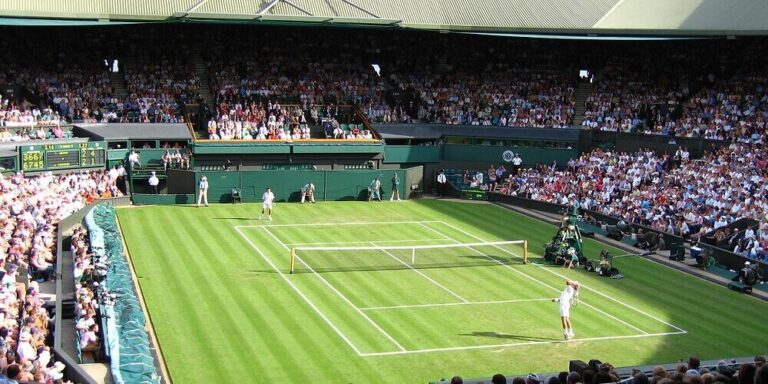
Thank the tennis gods – Wimbledon is back! After a year’s hiatus because of you-know-what, the world’s most famous tennis tournament has returned to the grass courts of SW19 in London with Roger, Ashleigh, Novak, Coco and, yes…Andy, all hoping to make history once again. You won’t want to miss a single serve, smash or slice, so read on as we explain how to get a 2021 Wimbledon live stream no matter where in the world you are – including ways to see it absolutely FREE.

The story of the first week – other than Andy Murray’s heroics – has been the slippery surface. It cost Serena Williams her chance to go hunting for that elusive 24th Grand Slam singles title foiled, after benefiting eight-time winner Roger Federer when his first-round opponent was forced to retire.

Even the unstoppable Novak Djokovic – seeking a threepeat – has been felled on numerous occasions. Outside that, he has looked his usual dominant self, and the likes of Daniil Medvedev, Alexander Zverev and Diego Schwartzman will once again be hoping to thwart the Serb.

Predicting the women’s championship is a fool’s errand, and there’s no shortage of contenders, including world No. 1 Ashleigh Barty, French Open champion Barbora Krejcikova and rising stars Iga Swiatek and Coco Gauff.

There are few more aesthetically pleasing sights than the green, purple and white that embroiders just about everything except the balls at the All England Club, and this could be the final time we get to see some all-time greats compete in a tournament they’ve lit up so many times.

Here’s how to live stream Wimbledon 2021 tennis action.

As ever, Wimbledon will once again be broadcast by the BBC for the duration of the tournament. Live matches will air on BBC One, BBC Two and the BBC Red Button. Viewers can also choose up to 18 courts to watch through connected TVs, BBC iPlayer, the BBC Sport website and app.

BBC Radio 5 Live will be offering live commentary every day of the competition, while Today at Wimbledon will provide highlights and match analysis nightly on BBC Two.

Wimbledon will also be broadcast on Eurosport channels and on the Eurosport Player, with extra content also available on the Wimbledon YouTube channel.

ExpressVPN
We’ve put all the major VPNs through their paces and we rate ExpressVPN as our top pick, thanks to its speed, ease of use and strong security features. It’s also compatible with just about any streaming device out there, including Amazon Fire TV Stick, Apple TV, Xbox and PlayStation, as well as Android and Apple mobiles.

  1. Download and install a VPN – as we say, our top choice is ExpressVPN
  2. Connect to the appropriate server location – open the VPN app, hit ‘choose location’ and select the appropriate location
  3. Go to the broadcaster’s live stream – so if you’re from the UK, just head to BBC iPlayer

Who are the favorites for Wimbledon 2021?
World No. 1 Novak Djokovic is the favorite in the Men’s Singles, having earned some of the biggest victories of his career at the French Open. Young rivals Stefanos Tsitsipas and Daniil Medvedev are also being hotly tipped, as well as Roger Federer and Dominic Thiem.

The Women’s Singles is more open, with Simona Halep facing competition from a wide pool of contenders, including world No. 1 Ashleigh Barty, superstars in the making Iga Swiatek and Coco Gauff, French Open winner Barbora Krejcikova, and of course Serena Williams.

Succession opening titles and its meaning

0

Each season, subtle changes are made to the credits sequence. What do they mean?

Sepia-toned footage is a memory of a memory of a hyper-privileged upbringing. Photo by HBO

When you watch the opening titles to Succession on a loop – as I did for this piece, cycling through the four different versions on repeat for an hour – a number of different things start to happen inside your brain. First, and most predictably, you marvel at the scale and the variety of the symbols of wealth on display. The tennis lessons. The skiing. The little girl in the white dress, who may or may not be Shiv, moodily leading a pony. The prepubescent boy (you want to say Roman, but the age doesn’t feel right), lighting a cigar and looking pleased with himself.

The bit that really stands out is the elephant ride. A lot of rich kids go riding or skiing, sure; but how many get a go on an elephant? Yet there’s no record of anything touching here, no fond or funny moments. This is a childhood that’s golden and expensive and deeply, deeply cold. The vast but carefully decorated mansion, with its perfectly manicured gardens, is inevitably reminiscent of Versailles.

In this supercut, the home movies of the hyper-privileged are interspersed with contemporary footage of the Manhattan skyline. We jump from family dinner to contracts, from the garden to skyscrapers. Even older, sepia-toned film and late-20th century video footage are layered atop one another, to suggest a dynasty more venerable than the Roys. (The show’s leads were surely kids in the Nineties?) The patriarch is shot from behind or below or at a distance, a faceless authority rather than a dad.

After the eighth viewing, the paranoia these images evoke begins to climb inside your brain. On the eleventh time round, Nicholas Britell’s theme tune, which you have always rather enjoyed, begins to remind you of the one from Requiem for a Dream, which gave you nightmares for months. The Manhattan skyline, shot from below, begins to feel like a barrier, blocking out the light, which can only be escaped onboard a private plane. You console yourself with the encyclopaedic knowledge you have gained of ATN’s fictional headlines. “Genderfluid illegals may be entering country ‘twice’.” “Man With Bird Flu Can’t Stop Thinking Of Ducks.”

These headlines are not the only thing that shift from season to season. The initial focus on the child we might loosely identify as Kendall changes in subsequent seasons, so that the focus is sometimes on the child we might loosely identify as Shiv, and sometimes on no one at all, as all four kids forlornly watch their father go. Do even these small details carry significance for the show as a whole? What does it mean that this season there’s new footage of a swimming pool, or a movie lot? Or two helicopters? Black helicopters are a conspiracy theory mainstay, you think. What is it trying to say?

As the four children in the credits are far too close in age to actually be the Roys, it may be a mistake to read any of this too literally. The opening credits to Succession were inspired by those to David Fincher’s anti-capitalist thriller The Game: executives at Picturemill, the studio which created them, have said they were trying to invoke the same feelings, the sense of distance, the claustrophobia. This isn’t really meant to be footage of the Roy kids’ childhood. It’s a memory of a memory of an upbringing in which they didn’t want for anything, just so long as money could buy it.

n every season, the credits conclude with a shot of the father’s back at a dinner table, then cut to that of Logan Roy in a meeting, some of his kids replaced by executives he employs. At the very end, we return to the children, their faces turned to watch him go. It ultimately doesn’t matter how much is literal and how much metaphorical – how much of this is clues, how much simple playfulness. The opening credits – on the first viewing, and on the 17th – tell you that you are entering a world with no line between business and family, in which none of these kids can ever quite stop looking for their dad.

Source : News Stateman

Spring 2024 at the BFI

0

BFI Southbank’s programme for Monday 25 March – Friday 31 May presents an exciting lineup, featuring the first part of a major exploration of Italian Neorealism, alongside month-long retrospectives of Gene Tierney, Víctor Erice, and Lindsay Anderson. Running from the end of March until the end of April, “Out of the Shadows: The Films of Gene Tierney” will spotlight Tierney’s captivating performances, focusing on her 1940s work, including classics like “Laura” and “Leave Her to Heaven.” Coinciding with the release of “Close Your Eyes,” BFI Southbank will present “Of Time and Light: The Films of Víctor Erice,” showcasing features and shorts from the esteemed filmmaker. May will see “O Dreamland! Lindsay Anderson’s Dark British Cinema,” a comprehensive season dedicated to the singular director and film critic, Lindsay Anderson. Additionally, the first part of a two-month exploration of Italian Neorealism, “Chasing the Real: Italian Neorealism,” begins in May and runs until the end of June. The lineup includes screenings of seminal works such as “Bicycle Thieves” and “Rome, Open City.” Events during this period include a TV preview of “Michael Palin in Nigeria” and film previews of “Hoard” and “Billy Connolly: Big Banana Feet.” The BFI’s “Woman with a Movie Camera” series presents a preview of “Nezouh,” while “African Odysseys” presents “Omen.” Lastly, special events at BFI IMAX include the closing night gala screening of “The Peasants” and a special Earth Day 2024 screening of “Anthropocene: The Human Epoch.”

BFI Southbank presents exciting new seasons celebrating the cinematic achievements of Gene Tierney and Víctor Erice, along with retrospectives of Lindsay Anderson and Italian Neorealism. “Out of the Shadows: The Films of Gene Tierney,” running from March 25th to April 30th, explores Tierney’s captivating performances, particularly focusing on her prolific work in the 1940s. Highlights include screenings of classics like “Laura” and “Leave Her to Heaven,” showcasing Tierney’s elegance and grace on-screen. Meanwhile, “Of Time and Light: The Films of Víctor Erice,” from March 25th to April 30th, honors the distinguished career of Erice with a selection of his elegant, lyrical films, including “The Spirit of the Beehive” and “El Sur.” The seasons promise to offer audiences a rich cinematic experience, celebrating the timeless contributions of these talented filmmakers.

BFI Southbank is set to embark on a cinematic journey through Italian Neorealism, one of the most significant post-war developments in film history, with its two-month season titled “Chasing the Real: Italian Neorealism.” Running from May until the end of June, this season will shine a spotlight on a movement that defied traditional cinematic norms, emerging out of a moral imperative to uncover the hidden drama in everyday life. The season will feature a diverse selection of films, from rare gems to seminal works, showcasing the different formal approaches taken by directors who sought to make reality the spectacle of cinema. The season will kick off with the discussion event “Journey Through Italian Neorealism” on May 7th, offering a comprehensive exploration of the movement’s roots, context, and legacy. Season curator Giulia Saccogna and guest speakers will delve into the key figures behind the movement, the evolving portrayal of women in post-war Italian cinema, and the stylistic and thematic elements that defined Neorealism.

The program will include screenings of films that laid the groundwork for Neorealism, such as Alessandro Blasetti’s “Four Steps in the Clouds” (1942), Vittorio De Sica’s “The Children Are Watching Us” (1943), and Luchino Visconti’s “Ossessione” (1943). These films introduced a new kind of cinema that captured the raw realities of life with unprecedented authenticity. Roberto Rossellini’s “Rome, Open City” (1945), widely regarded as the first Neorealist film, will be re-released in selected cinemas across the UK, marking its 80th anniversary. This groundbreaking work, shot on the streets of Rome shortly after the city’s liberation from German occupation, masterfully blends fact and fiction to depict the struggles of ordinary Romans during wartime.

The season will also feature Rossellini’s “Paisà” (1946) and “Germany, Year Zero” (1948), completing his War Trilogy, which offers poignant reflections on the human cost of war and the challenges of rebuilding society in its aftermath. Other notable titles include Vittorio De Sica’s “Shoeshine” (1946) and “Bicycle Thieves” (1948), Alberto Lattuada’s “The Bandit” (1946) and “The Mill on the Po” (1949), and Giuseppe De Santis’s “A Tragic Hunt” (1946) and “Bitter Rice” (1949). These films explore themes of poverty, social injustice, and the resilience of the human spirit, capturing the essence of Neorealism’s commitment to portraying life as it is lived. The season concludes with Lattuada’s “La Terra Trema” (1948), a lyrical portrait of a fishing family struggling against economic oppression, reminding audiences of the enduring relevance of Neorealism’s humanistic vision. “Chasing the Real: Italian Neorealism” offers a rare opportunity to rediscover the films that revolutionized cinema and continue to inspire filmmakers and audiences alike with their unflinching portrayal of the human condition.

Visit: bfi.org.uk

March at BFI Southbank and BFI IMAX

0

The March 2024 lineup at BFI Southbank promises a delightful culmination of Magical Realism: The Film Fables of the Taviani Brothers. Renowned for over 60 years, Paolo and Vittorio Taviani’s creations, blending Italian politics, history, and literature with cinematic invention and satirical wit, have enthralled audiences worldwide.

Curated by Adrian Wootton and presented alongside Cinecittà, this concluding retrospective showcases the Taviani brothers’ distinctive contributions to Italian cinema. It features iconic works like The Subversives (1967) and Rainbow: A Private Affair (2017), exploring their profound love for cinema and real-life conflicts that inspired their narratives.

Continuing until March 12, BFI Southbank’s tribute to the legendary film composer John Barry, Soundtracking Bond and Beyond, curated by Bob Stanley, highlights Barry’s evocative scores for spy films and social realism classics, including On Her Majesty’s Secret Service (1969) and Walkabout (1971).

BFI IMAX will exclusively showcase Dune: Part Two (Denis Villeneuve, 2024) on an IMAX 70MM print starting from March 1st. In this sequel to Denis Villeneuve’s epic adaptation of Frank Herbert’s sci-fi masterpiece, House Atreides faces its downfall. Paul, the rightful heir, seeks refuge with his mother Jessica among the Fremen of Arrakis, where a prophecy awaits fulfillment. Now, Paul must embrace the ways of the Fremen, lead them against formidable adversaries like the Harkonnen and the Emperor’s armies, and confront the perilous giant worms of Arrakis. To heighten anticipation, BFI IMAX will also screen Dune: Part One (Denis Villeneuve, 2019) on February 29th.

Exciting Events

High & Low – John Galliano (2023) provides insights into the life and career of the renowned fashion designer, while Woman with a Movie Camera celebrates International Women’s Day with captivating previews like Banel & Adama (2023) and Elaha (2023). Inside No. 9: The Final Series preview on March 11 offers reflections from the creative team, Reece Shearsmith, Steve Pemberton, and Adam Tandy, on their journey over the past decade. BFI Flare: Film Festival returns from March 13 to 24, offering the best of contemporary queer cinema globally.

TV Previews

Mandy (Diane Morgan, 2024) presents Mandy’s micro-aggressive adventures, while Doctor Who: The Celestial Toymaker (Bill Sellars/Chloe Grech, 1966/2024) debuts a new animated version of the classic.

Kinoteka Polish Film Festival premieres Green Border (Agnieszka Holland, 2023), exploring refugee experiences, while Special People (Justin Edgar, 2007) challenges stereotypes with wit and self-parody.

Special Previews

Frank Capra: Mr America (Matthew Wells, 2023) revisits the filmmaker’s timeless works, offering comfort during times of hardship.

La chimera (Alice Rohrwacher, 2023) captivates with its blend of social drama and magical realism, while Robot Dreams (Pablo Berger, 2023) enchants audiences of all ages with its joyful, dialogue-free narrative.

BFI Southbank’s monthly event, Mark Kermode Live in 3D, promises engaging discussions with industry guests on current and upcoming releases.

New and Re-releases

Evil Does Not Exist (Ryûsuke Hamaguchi, 2023) and Do Not Expect Too Much from the End of the World (Radu Jude, 2023) challenge societal norms with compelling narratives and satire.

History Made at the Grand Slam

0

Emma Raducanu made history as she was crowned the 2021 US Open champion to become the first British woman to clinch a Grand Slam singles title for 44 years.

The 18-year-old completed a truly remarkable sporting triumph as she overcame fellow teenager Leylah Fernandez of Canada, 6-4 6-3, in a very memorable showpiece final at Flushing Meadows. Raducanu, the first qualifier in the Open era to reach a Grand Slam final, was not remotely fazed by the big occasion and held her composure, despite late drama, to make history in becoming the first British woman to win the US Open singles title for 53 years.

The irrepressible Brit got off to a stunning start as she broke serve at the first opportunity in the second game after a pulsating extended deuce in front of a raucous crowd inside Arthur Ashe. But the unseeded Fernandez was equally impressive as she responded in electrifying fashion to break straight back and level up with a dazzling array of groundstrokes. The first all-teenage final since Serena Williams v Martina Hingis in 1999 could not have been a higher standard right from the outset as the pair fearlessly traded blows from the back of the court. The opening set was on a knife-edge throughout but a flashing forehand winner from Raducanu created the breakthrough as she ruthlessly capitalised on her fourth set point on the Fernandez serve.

Having seized her moment to strike and take the opener, Raducanu was immediately put under immense pressure in the second set as Fernandez returned from a sideline break with a typically doughty resolve. The Canadian world number 73 brushed aside a series of leading players en route – taking out defending champion Naomi Osaka, fifth seed Elina Svitolina, world number two Aryna Sabalenka and three-time Grand Slam champion Angelique Kerber – and she responded admirably with a gutsy break at the start of the second set.

Raducanu did not drop a single set throughout the tournament, going right back to the qualifiers, and she hit straight back with a sublime backhand winner closing out an immediate break back to ensure Fernandez could not level up the match.
The best was yet to come: sections of Arthur Ashe Stadium gave the Brit a standing ovation as she zipped to her right and unleashed an outrageous forehand winner to break once again and seize the ascendancy to lead 4-2 with Fernandez in disbelief.
With the composure and poise for which she is now renowned, Raducanu proceeded to nervelessly close out one of the most incredible Grand Slam triumphs in memory to make history on the biggest stage in the sport, despite late drama when she slipped and required medical attention in the final game.

“First of all, I really want to congratulate Leylah and her team, she played some incredible tennis and has beaten some of the top players in the world,” Raducanu said in her victory speech. “The level was extremely high and I hope we play each other in many more tournaments and hopefully finals. As for this three weeks in New York, I would say having such a supportive team, the LTA, my agent, and everyone back home watching on TV, thank you so much for your support over the years. “Thank you for making me feel so at home from my first qualifying match, you have spurred me on in some difficult moments and I hope me and Leylah put on a good match today. Leylah is always going to play great tennis and fight, that is why she is in the final, I knew I would have to dig deep. “I fell somehow and thought that would throw me off balance – I was praying not for a double fault! We got through it and focused on the process and mindset, that really helped in those tough times.

“It shows the future of women’s tennis and depth of the game is so great, every player in the draw has a shot at winning any tournament, I hope the next generation can follow in the steps of some of the legends, for example Billie Jean right here. It means so much to have Virginia Wade here and also Tim Henman, British icons and for me to follow in their footsteps… it gave me the belief I could do it.”
Fernandez said: “It is incredible. I have no idea what to say. Today is going to be hard but Emma played amazing. Congratulations. I am very proud of myself and having the New York crowd has been amazing. Thank you so much New York. Thank you everyone.

“I know on this day it was especially hard for New York and everyone around the US. I hope I can be as strong and resilient as New York has been the last 20 years. I love you New York and hope to see you next year.” It is surely only the start for the British teenager in what is already a distinguished career as she celebrated a quite astonishing journey from qualifier to Grand Slam champion.

Wimbledon Finals

A. Tristian

“Wimbledon oh Wimbledon, thy pageantries are as archaic as thy soul”.

Novak Djokovic, Roger Federer, and Rafael Nadal are widely regarded as some of the greatest players in the history of tennis. These three legends have dominated men’s singles tennis for a significant portion of the time since the beginning of the Open Era in 1968. Djokovic leads with an all-time record of 23 Grand Slam titles, followed by Nadal with 22 and Federer with 20. Until 2002, Pete Sampras of the United States held the record with 14 major singles titles. This year Wimbledon in the men’s final, what at stake is Roger Federer’s eight Guinness Book of Record Wimbledon titles, in which five of them consecutive wins. On the second day of the Championships, the Swiss was invited and celebrated at the Centre Court in the presence of HRH Princess of Wales, Kate Middleton. As the defending Champion, had Djokovic won this year’s title, he too would’ve been on par. As it stands now, along with Pete Sampras he holds seven Wimbledon titles with four consecutive, followed by Bjorn Borg at five, then John McEnroe and Boris Becker each at three.

Wimbledon, which held its first event in 1877, has evolved from a garden-collective tournament to a prestigious Grand Slam event that captivates millions of people around the world. As the only major tournament played on grass, it attracts around 500,000 visitors during the two-week competition. Wimbledon continues to uphold long-standing traditions, including a strict all-white dress code for competitors, the ballot, the eating of strawberries and cream, pimms, preppy attire, and the royal patronage. In recent years, the tradition of queuing for tickets has also become popular. Winning a Grand Slam is prestigious, but winning Wimbledon elevates a player’s status to global recognition. Such important on the CV that the fast grass surface at Wimbledon often challenges players, both juniors and experienced professionals, as they strive to perform their best.

The All England Lawn Tennis Club, the organiser of Wimbledon, is renowned for its exceptional organisation of world-quality, suspenseful matches that create excitement and emotional connections. The tournament’s popularity is evident in the record-breaking viewership numbers. According to the BBC, this year’s Wimbledon witnessed a significant increase in viewership numbers, with 54.3 million streams on the BBC’s iPlayer and BBC Sport online, compared to 53.8 million in 2022. The men’s singles final between Novak Djokovic and Carlos Alcaraz achieved a peak audience of 11.3 million on BBC One, the highest since Andy Murray’s victory in 2016. The match was also streamed live 4.1 million times on BBC iPlayer and BBC Sport online, marking a 58% increase from the previous year. The women’s singles final between Marketa Vondrousova and Tunisia’s Ons Jabeur also experienced a surge in viewership, with a peak audience of 4.5 million on BBC One and 1.3 million streams on BBC iPlayer, an 85% increase from 2022. Overall, 25.6 million people watched Wimbledon on BBC TV. The tournament showcased star-studded matches in both the men’s and women’s draws, captivating fans and spectators with high-quality and entertaining tennis. The same is also true for the period of the two weeks building up to one of the first most top-ranked players into the second week both in gentlemen’s and ladies where six top seeded gents and five top seeded ladies moved on to the quarter finals. And it doesn’t stop there. As what would be considered by some as the draws of a lifetime, fans and spectators were treated with some of the most explosive and thrilling matches that produces shots, slices as well as slips and fines of the year. Rublev against Djokovic, Sinner vs Saffiulin, Alcaraz played childhood sparring partner Rune, and Medvedev vs American Eubanks. In the ladies, Vondrousova against Pegula, number one Swiatek vs Ukraine’s Svitolina, defending champion Rybakina vs Jabeur, and Keys vs number two Sabalenka. The women’s battle reached to the final of an unseeded Czech Vondrousova well-deserved win against last year’s runner-up Jabeur who also played some of her best tennis beating opponents above her rank en route to the final. A highly-unexpected result that silenced Centre Court for a split second, before the crowd broke into celebratory roar of claps, acceptance and appreciation of the finesse displays from both players. Also worth mentioning, Brits very own Neil Skupsi won the men’s double with long time partner Koolhof. Defending women’s double Strycova and Shieh get to keep their title, whilst mixed double Pavic and Kichenok won the final.

The gentlemen’s final between world’s rank 1 and rank 2 was the one that was most anticipated by purist and neutralist of the tennis world. Djokovic, having been considered the King of Grass since mid 2010, plays not only to defend the title but also to tie a record held by a single person. The fact that he won both this year’s Australia and French Open trophies not only gave him the confident boost, but a firm determination to deliver and win. He has campaigned this through his sublime performances of the highest number of unbeatable matches across all ATP players, and the tennis world agreed. Djokovic was still the favourite up until a few hours before the matches started when Watson – the Wimbledon’s AI – corrected its prediction to favour Alcaraz. Some factors affecting this would’ve been the last several matches where Alcaraz won all in straight sets whilst Djokovic delivered the last three in 4-4-3 sets consecutively. Considering these were only a few matches coming up towards the D day – high-precision predictive analytic stats would use at least 12 or 4 months data the least – the weighing or parameters used to calculate the prediction on this occasion might’ve also been considerably adjusted. Popularity level, online – offline sentiment analysis, players attitude, as well as level of audible crowd support during a player’s match, perhaps are deemed to be more crucial than ever in deciding the Champion, which to be honest, not your everyday winner.

Punters and enthusiasts alike took notes as to how this year’s Championships have slightly evolved. First the queue. This year, AELTC decided not to sell tickets online on the basis that it should be the only Slam where all tickets, aside from Debentures, can be purchased on the day. Online sales of returned ballot tickets ended a few months prior. It gives opportunity to a wider audience on the spot, and higher probability to those who may be restricted in the digital and or eCommerce savviness department. A wonderful initiative to democratise the sport that has long been perceived belonging to a certain class only. The first few-day queue bottleneck due to extra security level and minor protesting was accepted as a no big deal for the people on the ground. They cherished the tradition more than anything else. The average queuing time for the first week before getting on the ground is between 5 to 7 hours. There were some suggestions for year to come that there should be a percentage of main courts’ tickets sold online, while the opportunity of queuing can still be held. Or, instead of being handed queue cards, those queuing can use an app feature i.e. QR code to get in, and in order to cut down the amount of queuing time drastically. Some argues that tradition should certainly be cherished and upheld but the best top-rated business is one that can execute and service customers in the most efficient and effective manner, i.e UX (user experience) friendly. Balancing tradition with efficient customer service and user experience remains a topic of debate.

Second, the raucous main courts. As tennis becoming a much popular sport worldwide, gone are the days when golf-clapping is the only way to express and appreciate the world’s top tennis Gladiators in action, fight and steal each other’s points. This year, tennis fans prove that they too can be expressive in these prestigious, usually code & behaviour-restricted, well-reserved arenas as if they were watching any other sports, whilst openly if not fanatically support their favourite players. Hats off to the players on the opposite side of the cheering, it should take steely determination and a showcase of creative moves to shrug off the one-sided cheers and focus still on their games. It would be interesting to analyse this new Wimbledon’s crowd trend as it certainly creates much more thrill, excitement and buzz to the matches played. Could it be a repressed expression exploded from the somewhat six hour all torrential-proof queue? Or the queue-only mechanism brings similar type of supporters and not diverse enough to support variety of players?

The rivalry between Djokovic and Alcaraz, which now has become official, culminated last September when the latter achieved ranking number one for the first time. Since then both took turns being the highest top player in the pro tennis circle, with Djokovic dominating the most after his back-to-back Slam wins at Australia and French Opens. Came grass season in June, Alcaraz played and won the Cinch Queens club tournament establishing his no 1 position again whilst around the same time Djokovic got invites to play in the more intimate Giorgio Armani Classic at the Hurlingham private member’s Club.

Carlos Alcatraz, dubbed the boy wonder, has made fantastic progress since turning pro at the tender age of 16, making him a force to be reckoned as the most promising tennis player since the big four. He entered 2021 below top 100 but already inside the top 50 after his US Open campaign. He is known for his aggressive and fiery playing style. Although his idol growing up was fellow countryman Rafael Nadal, he and Djokovic share similar style that involves powerful baseline shots and an ability to approach the net. He admits that he copied Djokovic in order to win the Ultimate Championships prize, and let mobility and stamina decide the fate of the match instead. And it did work wonder from the third games in the second set where Djokovic was probably thinking harder of come up with a plan B to avoid fighting “himself”. He managed on the fourth set but perhaps a little too late as frustration already got the better of him towards the final deciding set. It was rather mesmerising in a surreal way to have watched how the battle unravelled. Djokovic seemed to be out of character certainly in some of the crucial moments, plus he slipped more than a few times. One would initially hope that was just a sardonic and comical way that he often does, showcasing how frail a much older player is and lo and behold, age gap does really – if not super crucially – matter in sport. And not a real fall. As a master of entertaining with jovial character, Djokovic usually thrives on the crowd’s roar when it is on his side. With majority of the Brits’ tennis fans in Centre Court blatantly cheered for the Wonder boy, while he didn’t seem (or want) to manage to brush it off or stay focus in the game. As if he knew and tried hard more to accept that this battle was not his to win, even before it finishes.

Djokovic is no Federer, we can all agree. With almost similar number of prestigious titles and match wins across four slams and end of year finals, at Wimbledon they are somewhat “seen” differently. It is almost a history repeat itself when Bjorn Borg held five titles and Sampras won his seventh, Bjorg was still considered the face of Wimbledon at that time. Perhaps Wimbledon relates more to stylish play and sophisticated technique such Federer possesses, especially for the gentlemen. In the ladies, it was proven that power and determination alone can win the Williams sisters as well Martina Navratilova with her feistiness and wit added to hold the record for 9 consecutive years. The fact that some people think watching Djokovic play is like watching computer games may draw a conclusion that his disciplined and regimented style makes him look like a robot. Or he has become too powerful that people are at odds concerning he is invincible. Plus, his non-conformist stance on Covid vaccination did affect his popularity post 2020. While the boy wonder, with his opponent’s mirror-imaging play, delivered the mission and deservingly crowned as the new champion. With the investment that backs him up and followers that jumped right away into the mainstream to adore him. On paper he should have a promising year across the other slams with the US Open next in line. Will Wimbledon still love him next year if his play is still as raw and only to copycat his opponent? Probably not. But for now, it is not the time for a robot to be as equal as human and be rewarded the ultimate Guinness book of record.

Quo Vadis, Artificial Intelligence?

0

The London A.I. Summit 2023 recently concluded, marking the culmination of a splendid London Tech Week that garnered significant interest from practitioners, industries, and governments. This two-part event serves as the beginning of the UK’s endeavour to demonstrate its preparedness and capabilities as the forefront of next-generation technology. The first part of the event took place at the Queen Elizabeth II Centre, strategically located in the heart of the capital city, right next to the Parliament. This remarkable event was open to all, offering reassurance and attracting tech-savvy stakeholders and enthusiasts who have faith in the renowned British spirit of innovation and high-level diplomatic skills. And why wouldn’t they? The three-day event centred around three main themes: Growing a Thriving & Resilient UK Tech Ecosystem, Inspiring a Sustainable Future, and True Digital Transformation & Next Tech Frontiers. With prominent tech giants serving as main sponsors, influential governmental figures and corporate leaders as speakers, and carefully chosen countries as strategic partners, the level of commitment displayed was truly unparalleled. The event delivered on its promises, providing an enriching experience that showcased the potential of the UK’s tech industry.

As we stand at the edge of unleashing the potential of sentient artificial entities, this London A.I. Summit, held in conjunction with the Quantum Computing Summit, serves as a perfect platform to delve into the essence of these groundbreaking technologies. Set against the backdrop of London’s trendy Tobacco Dock, this two-day event, with a delegate fee of £2,000, offers a comprehensive exploration of the blueprints for core technologies and their rollout. The primary focus of the summit revolves around expediting humanity’s journey with Artificial Intelligence as a trusted companion while addressing the accompanying challenges and regulatory considerations. The Headliners stage is brimming with captivating insights into the trajectory of A.I., its projected impact, a reality check on the current buzz surrounding generative A.I., and the imperative need for global regulations, most likely at a general level. In essence, the summit adopts a deep-dive approach to understanding A.I., encompassing technology, infrastructure, human involvement, and regulatory frameworks.

While the Quantum Computing Summit visibly attract less number of delegates compared to its A.I. sister, it provides invaluable information on the practical applications, future steps, and forecasts for this significant ultimate emerging technology. It seamlessly combines an overview of the profound significance of next-generation technology, which is still somewhat confined within the realms of possibility, with a pragmatic approach that starts with hybrid solutions. The summit highlights the current impactful use of quantum communications in aerospace, quantum electrodynamics (qed), sensing, and material research, demonstrating its real-world relevance. In summary, these co-hosted events offer an immersive and comprehensive exploration of the forefront of technology, showcasing the potential of A.I. and quantum computing while addressing the challenges and regulations that accompany their advancement.

The Tech, AI & Quantum event taking place this week sets a clear tone that Artificial Intelligence (A.I.) must be universally embraced as the catalyst and backbone of businesses and everyday life, with even broader implications. The emergence of Augmented Reality (AR), Virtual Reality (VR), and the Metaverse has opened doors to immersive and extraordinary experiences that were once unimaginable. The current frenzy surrounding Large Language Models and their generative A.I. applications brings a new dimension to the concept of sentient intelligence. Amidst the multitude of diverse visions that still exist, finding resolutions becomes crucial in shaping an otherwise chaotic world. In this context, the most pivotal question to ask is, “Quo Vadis A.I.?”