Tuesday, September 1, 2026
Home Blog Page 15

2025 Spring Fashion Trends: Power, Play, and PS*

0

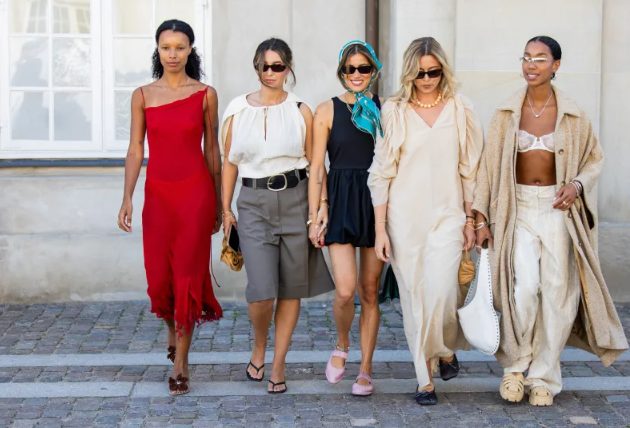
Fashion in 2025 isn’t about chasing trends – it’s about owning your signal. This year’s style revival blends Y2K nostalgia, ‘90s attitude, and fresh metallic futurism into a wardrobe that’s as bold and intelligent as you are. Here’s a quick, curated guide to the trends setting the tone – and how to wear them with confidence.

*Personal Signature

Y2K: Shine Without Apology

The early 2000s are back – but smarter. Think sleek low-rise denim, cropped silhouettes, shimmering fabrics, and audacious accessories. This isn’t costume; it’s calibration.
Metallic mini-skirts, platform sneakers, and wraparound sunglasses aren’t throwbacks -they’re power moves. Velour tracksuits? Only if you wear them like you’re closing a global deal at brunch.

Spring 2025: Structure Meets Play

Cargo pants are reborn – but refined. No more oversized chaos; today’s cargos are tailored, sharp, and perfect with a sculpted top or dramatic sleeve. Matching sets still dominate: a blazer-and-shorts combo sends a message of effortless authority. And metallics – especially silver – remain non-negotiable for daytime shine.

90s Cool: Minimalism with Muscle

The ‘90s trend returns, armed with leather jackets, slip dresses, and platform shoes. It’s effortless, but calculated. Slip dresses can move from after-dark allure to daytime edge layered under an oversized blazer. A vintage leather jacket says everything without trying – mystery, strength, and legacy.

Keeping Pace Without Losing Yourself

Staying style-current doesn’t mean surrendering identity. Follow curated fashion voices, not noise. Watch how high-signal femmes reframe trends – not replicate them. Most importantly, use trends as raw material. You’re the designer of your own evolution.

Micro-Update: The Power of the Right Top

Never underestimate a precision-cut top. 2025’s tank tops, graphic tees, and cropped knits are engineered to anchor both casual denim and tailored suits. A single top – fitted, fierce – can reset your entire look. Invest accordingly.

Vintage: Future-Proof Glamour

Vintage is no longer retro – it’s strategic. A tailored 90s blazer, a corset with architectural lines, a patterned silk dress: these pieces aren’t old, they’re enduring. Vintage is sustainability with edge.

Denim: Bigger, Bolder, Smart

Denim is recalibrating – think baggy silhouettes, dramatic patchwork, and architectural volume. Balance them with a fitted top or structured jacket. And yes, double denim is still high-caliber – when done with precision, it’s a power statement.

Final Word: Fashion Is Your Blueprint

2025 isn’t asking you to fit in – it’s challenging you to broadcast who you are.
Wear the metallics, layer the leather, sharpen your silhouette – but above all, make it your own. Fashion isn’t a costume. It’s code.

Adapted and inspired from LDN Guest Post, London Daily

Coachella – A Pop Opera for the Ages

Empire Polo Club, Indio, California – April 11, 2025

In the furnace of a record-breaking desert heatwave, Lady Gaga didn’t just headline Coachella 2025 — she incinerated it. This wasn’t a comeback. This was a coronation.

From the moment the multi-story hoop skirt unfurled and Gaga emerged as both prisoner and queen, it was clear: Gagachella was no ordinary headlining set. It was a five-act fever dream. A pop masterclass laced with inferno-level theatrics, symbolic exorcisms, and a sonic blitz that left no part of the Empire Polo Club untouched. Gaga’s long-teased “unfinished business” from her 2017 set was finally settled — and then some. At 38, Gaga delivered a performance that didn’t just celebrate her career — it redefined what a headliner can be. Think Beyoncé’s Homecoming level of ambition, but darker, weirder, more industrial. From the pounding aggression of her new album Mayhem to foundational anthems like “Poker Face” and “Born This Way,” the set blurred time and identity. It was a triumph of duality: queen vs. innocent, past vs. future, black bob vs. blonde ringlets — played out in dizzying transitions and ritualistic, near-mythical set pieces.

No Artpop. No Joanne. Not even Chromatica. And still, the show felt all-encompassing. There was Disease, her new high-water mark — a snarling graveyard duet between 2025 Gaga and her 2009 VMA-self that left the crowd howling. “Killah,” staged as a demonic cabaret with Gesaffelstein buried in shadows, had Gaga pounding the drums with the intensity of a woman who might combust at any moment. Every costume change, every scream, every wig swap was a spell cast. And yet, in between the chaos, she gave us brief, breathtaking glimpses of humanity. “I built you an opera house in the desert,” she told us, standing beneath curls and silk. A gesture so intimate, it stung. “Sometimes I feel I’ve been in a dream since I was 20. And I didn’t want to wake up — because what if you weren’t there?”

What followed was Bad Romance, resuscitated as a plague-drenched Frankenstein ballet — her voice breaking through layers of performance to hit something personal, even in the spectacle. But Gaga wasn’t the only force shaking the desert floor. Charli XCX pulled off the most anti-headliner headliner set in recent memory, turning a non-mainstage slot into the most Brat-coded moment of the weekend. Lorde, Billie Eilish, and Troye Sivan all made surprise appearances, but the real takeaway was the energy: erratic, brilliant, chaotic — like someone let Tumblr 2014 DJ the party.

Elsewhere, chaos reigned supreme. Brian May of Queen played “Bohemian Rhapsody” with Benson Boone. Three 6 Mafia summoned Wiz Khalifa and MGK. The Prodigy returned without Keith Flint, proving their defiant pulse still beats. Neon Carnival made a dusty comeback. Visa issues forced FKA Twigs to bow out. Meanwhile, the temperature crossed 103°F. None of it mattered. The music carried us. Because that’s Coachella — equal parts delusion and divinity. A hyperreal dreamscape where Lady Gaga can turn trauma into theater and strangers into apostles. Where a pop set can be a sermon, a breakdown, a resurrection — sometimes all at once.

So if 2024 was the reset, then 2025 is the revelation. And Gaga? She didn’t just headline it. She claimed it.

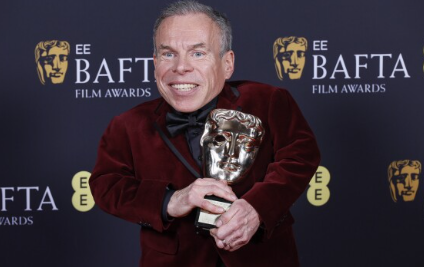
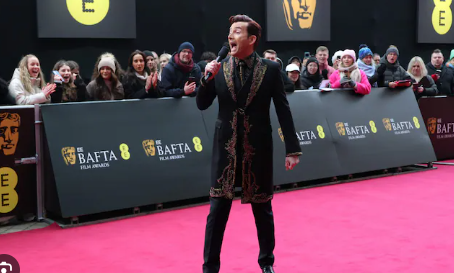
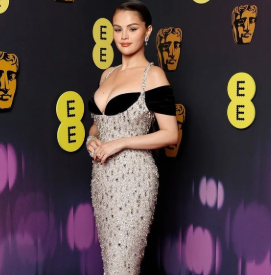
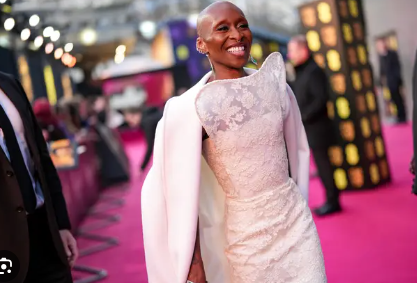
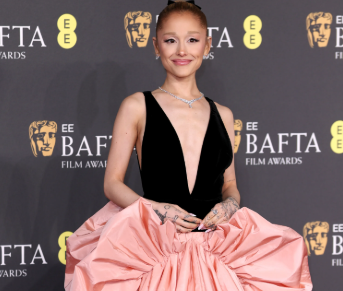
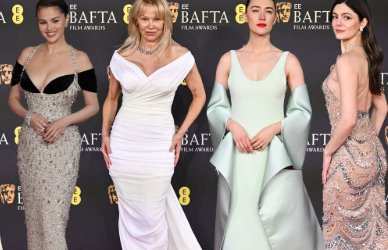
Stars at the Baftas

0

Memorable moments among some of the celebrities attended.

Extensive Ensemble of 2025 EE BAFTA Film Awards Winners

2025 EE BAFTA Film Awards has concluded at the Royal Festival Hall, Southbank, London. Here is the complete list of winners:

Best Film: Conclave

Outstanding British Film: Conclave

Leading Actress: Mikey Madison – Anora

Leading Actor: Adrien Brody – The Brutalist

Supporting Actress: Zoe Saldaña – Emilia Pérez

Supporting Actor: Kieran Culkin – A Real Pain

Director: Brady Corbet – The Brutalist

BAFTA Fellowship: Warwick Davis

Outstanding Debut by a British Writer, Director or Producer: Kneecap

Film Not in the English Language: Emilia Pérez

Outstanding British Contribution to Cinema: MediCinema

Documentary: Super/Man: The Christopher Reeve Story

Animated Film: Wallace and Gromit: Vengeance Most Fowl

Children’s and Family Film: Wallace and Gromit: Vengeance Most Fowl

Original Screenplay: A Real Pain

Adapted Screenplay: Conclave

EE BAFTA Rising Star Award: David Jonsson

Original Score: The Brutalist – Daniel Blumberg

Casting: Anora

Cinematography: The Brutalist

Costume Design: Wicked

Editing: Conclave

Production Design: Wicked

Make-Up and Hair: The Substance

Sound: Dune: Part Two

Special Visual Effects: Dune: Part Two

British Short Film: Rock, Paper, Scissors

British Short Animation: Wander to Wonder

This concludes the list of winners from the 2025 BAFTA Film Awards.

Conclave: an Intricate Power Play

0

In Conclave We Found a Thrilling Vatican Drama with a Futuristic Twist

Edward Berger’s Conclave is more than just a pulpy political thriller set against the Vatican’s storied walls. It is a layered exploration of faith, power, and the subtle tension between tradition and the ever-pressing need for modernization. Adapted from Robert Harris’s novel, this brisk and intricately woven film plunges into the heart of Catholic politics, deftly balancing suspense and introspection, leaving audiences with a twist that redefines not only the film’s trajectory but also the thematic underpinnings of identity and progress.

Political Intricacies in the Heart of the Vatican

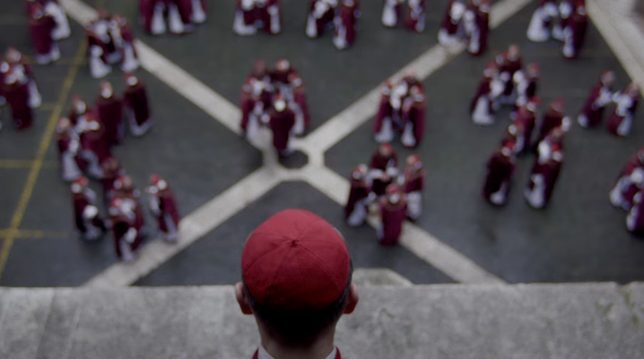
At its core, Conclave is a tale of political maneuvering in one of the world’s oldest and most secretive institutions. Following the sudden death of the Pope, Cardinal Lawrence (a masterfully subdued Ralph Fiennes) is tasked with organizing a conclave to elect the next pontiff. The stakes are monumental—this is not just about choosing a leader but about defining the future of the Catholic Church. As cardinals gather from across the globe, alliances form, old rivalries resurface, and ideologies clash. The liberal American candidate Bellini (Stanley Tucci) stands as a progressive force, a stark contrast to the traditionalist Italian Tedesco (Sergio Castellitto), who seeks to turn the Church’s clock back to a more insular past. Meanwhile, Nigerian Cardinal Adeyemi (Lucian Msamati) emerges as a symbol of diversity, though his orthodox views on sexuality raise questions about what true progress means. The Vatican, a symbol of unwavering tradition, becomes the film’s battleground for modernity. Berger and screenwriter Peter Straughan cleverly use the conclave as a microcosm for broader societal tensions, exploring how an ancient institution grapples with the idea of change. The election process, steeped in secrecy and ritual, becomes a metaphor for the Church’s slow march toward relevance in a rapidly evolving world. Every vote cast is not just a choice for leadership but a reflection of the Church’s identity—a tug-of-war between those clinging to the old ways and those daring to envision something new.

The Duality of Progress

The film’s audacious twist—the revelation of an intersex Cardinal—serves as a focal point for exploring the tension between progressiveness and conservatism. On one hand, it reflects the Church’s deep-rooted traditions, resistant to change and bound by centuries-old doctrines. On the other hand, the election of Cardinal Benitez symbolizes a bold step toward inclusivity and modernity. This duality underscores a universal theme: the struggle to reconcile the past with the demands of the present. By positioning Benitez as a figure embodying both masculine and feminine traits, the film subtly critiques the rigidity of binary thinking. It suggests that true leadership and progress come from embracing complexity and finding harmony between seemingly opposing forces. The Church, long seen as a bastion of conservatism, becomes a surprising setting for such a transformative narrative. Berger masterfully navigates this thematic tension, showing how even the most traditional institutions must evolve or risk irrelevance.

Subtle Camp and Drama

Beyond its deeper messages, Conclave thrives on subtle camp and drama, elevating it from a straightforward political thriller to an engaging cinematic experience. The Vatican setting—with its ornate architecture, flickering candlelight, and ceremonial grandeur—provides a visually arresting backdrop. Berger’s direction captures the absurdity and gravitas of the conclave process in equal measure, from the thunderous clang of sealed doors to the quiet intensity of whispered alliances. The film’s sly humour further enhances its appeal. Moments like the exaggerated thud of the Pope’s body being wheeled out or the surreal sight of cardinals scrolling through mobile phones provide a knowing wink to the audience, acknowledging the inherent contradictions of a modern Church steeped in tradition. These touches of levity balance the film’s heavier themes, making it accessible without diminishing its weight.

Stellar performances anchor the drama. Ralph Fiennes’ portrayal of Cardinal Lawrence is a masterclass in restraint, his internal conflict simmering beneath a composed exterior. Stanley Tucci’s Bellini exudes charm and quiet determination, while Lucian Msamati’s Adeyemi and John Lithgow’s Tremblay bring depth to their roles as contenders with hidden agendas. Isabella Rossellini’s brief but impactful appearance as a senior nun adds a touch of gravitas and wit, leaving audiences wanting more.

 “I Am as God Made Me”

As the conclave unfolds, Berger artfully builds suspense, dropping breadcrumbs that lead to the film’s audacious twist. Enter Cardinal Benitez (Carlos Diehz), a last-minute contender from Kabul whose mysterious rise becomes the fulcrum of the story. It is eventually revealed that Benitez is intersex—a person born with both male and female reproductive traits. The discovery, made during a medical examination, is initially treated as a secret that could dismantle his candidacy. But Benitez’s simple yet profound response, “I am as God made me,” becomes a defining moment, not just for his character but for the entire narrative.

Berger’s handling of this revelation is strikingly measured. Rather than sensationalizing Benitez’s identity, the film uses it to challenge the audience’s preconceived notions of faith, identity, and worthiness. Benitez’s calm acceptance of his condition contrasts sharply with the chaos around him, positioning him as a figure of quiet strength and integrity. His androgyny—a blending of masculine and feminine traits—becomes symbolic of the film’s larger themes of duality and harmony. By presenting Benitez as the chosen leader of the Catholic Church, Conclave suggests that progress and tradition are not mutually exclusive but can coexist in unexpected ways.

The director’s vision is clear: the twist is not merely a plot device but a thematic statement. In a world increasingly divided by rigid binaries—religious versus secular, conservative versus progressive—Benitez’s election becomes a powerful metaphor for unity. It is a call to embrace complexity and ambiguity, a reminder that true leadership often lies in the spaces between.

Hermaphroditism: A Rooted Yet Futuristic Vision

The term “hermaphrodite,” derived from the union of Hermes (the Greek god of boundaries and transitions) and Aphrodite (the goddess of love and beauty), is as ancient as it is evocative. In Greek mythology, Hermaphroditus, their child, embodied both masculine and feminine qualities, symbolizing a transcendence of binary limitations. By weaving this concept into the heart of Conclave, the film taps into a rich historical and cultural lineage while projecting a bold vision for the future.

The Catholic Church, as portrayed in the film, is an institution bound by its scriptures and traditions. Yet, the election of Benitez—an intersex individual—as Pope serves as a radical endorsement of androgyny as a path forward. It suggests a future where identity is not confined by rigid definitions but celebrated in its full spectrum. Benitez’s declaration, “I am as God made me,” echoes as a profound theological statement, challenging centuries of dogma and inviting the Church to reimagine its relationship with humanity. Androgyny, as a concept, has often been associated with creativity, balance, and transcendence. In Conclave, it becomes a symbol of evolution, a bridge between the old and the new. The film’s portrayal of Benitez is not without its controversies—some critics argue that the twist risks reducing his identity to a narrative device. However, the film’s ultimate message is one of acceptance and progress. It dares to envision a world where even the most entrenched institutions can find room for inclusivity and change.

Resting the Case: The Future is in Authencity

As the credits roll, Conclave leaves its audience with much to ponder. It is a film that thrives on contradictions—faith and doubt, tradition and progress, masculinity and femininity—and finds its power in embracing them. The election of an intersex Pope may be a work of fiction, but it raises profound questions about the future of leadership and the boundaries of identity. By positioning androgyny as the way forward, Conclave suggests that the future belongs to those who can navigate the complexities of the human condition with grace and authenticity. In the words of Benitez, “I am as God made me.” Perhaps, in this version Vatican, the Church has taken its first step toward a more decisive world embracing power in duality. And perhaps, in reality, the film is a positive nudge to do the same.

2025 Australian Open Day 7: Sinner, De Minaur, Swiatek v Raducanu

0

Who’ll take the last 16 spots in the Australian Open fourth round?

2025 Australian Open Day 6: Djokovic Faces Machac Test; Sabalenka, Gauff, Pegula

0

Former champions Aryna Sabalenka, Naomi Osaka and Novak Djokovic are back on court Friday in Melbourne.

Golden Globes 2025: Unforgettable Wins

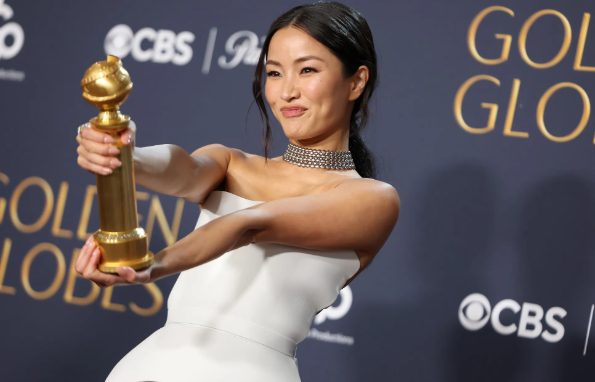
The 82nd Annual Golden Globe Awards were held on Sunday, January 5, 2025, at the Beverly Hilton Hotel in Beverly Hills, celebrating excellence in film and television. With Nikki Glaser as the evening’s host, the ceremony highlighted the industry’s most outstanding talents, blending glamour, artistry, and powerful storytelling.

Red Carpet Elegance: Metallics and Vibrant Colours

The red carpet came alive with dazzling metallics and bold, colourful ensembles. Stars such as Zendaya, Angelina Jolie, and Cate Blanchett embraced metallic hues, setting the tone for the evening’s fashion trends. Nicole Kidman captivated audiences with her futuristic Balenciaga gown, while Pamela Anderson turned heads in a timeless Oscar de la Renta creation, paired with her natural, bare-faced beauty.

Winners in Film

The Golden Globes recognized a wide array of exceptional films, with “Emilia Pérez” and “The Brutalist” taking home the night’s top honours.

Notable Wins:

Best Motion Picture – Drama: The Brutalist

Best Motion Picture – Musical or Comedy: Emilia Pérez

Best Animated Film: Flow

Cinematic and Box Office Achievement: Wicked

Best Non-English Language Film: Emilia Pérez

Performances were also celebrated, with Adrien Brody (The Brutalist) and Fernanda Torres (I’m Still Here) winning for Best Actor and Actress in a Drama, respectively. In the Musical or Comedy category, Sebastian Stan (A Different Man) and Demi Moore (The Substance) claimed the top acting awards.

Spotlight on Television

The Golden Globes honoured television’s finest, with “Shogun” and “Hacks” taking top series awards in Drama and Musical or Comedy categories, respectively.

Standout Performances:

Anna Sawai (Shogun) and Hiroyuki Sanada (Shogun) earned acting awards for their gripping performances in the Drama category.

Jean Smart (Hacks) and Jeremy Allen White (The Bear) triumphed in the Musical or Comedy categories.

Jodie Foster (True Detective: Night Country) and Colin Farrell (The Penguin) won in Limited Series or Anthology categories, further showcasing television’s storytelling power.

Music and Writing Excellence

The ceremony celebrated the craft of music and screenwriting, with Trent Reznor and Atticus Ross winning Best Original Score for Challengers and Peter Straughan earning Best Screenplay for Conclave. The Best Original Song award went to “El Mal” from Emilia Pérez, further cementing its position as a standout film of the year.

Special Honors and the Golden Gala

In a new format, the Cecil B. DeMille Award and the Carol Burnett Award were presented at the Golden Globes’ inaugural Golden Gala on Friday night.

Viola Davis received the Cecil B. DeMille Award, recognizing her exceptional contributions to the world of entertainment.

Ted Danson accepted the Carol Burnett Award for his enduring impact on television.

The gala featured stars such as Jane Fonda, Meryl Streep, and Mary Steenburgen, adding to the weekend’s celebratory atmosphere.

A New Chapter for the Golden Globes

This year marked the second Golden Globes since the Hollywood Foreign Press Association was replaced by a more diverse voting body, ensuring global representation in recognizing talent. The awards were produced by Dick Clark Productions and aired live on CBS and Paramount+, providing an inclusive and accessible celebration of creativity.

Complete List of 2025 Golden Globe Winners

Film:

Best Motion Picture – Drama: The Brutalist

Best Motion Picture – Musical or Comedy: Emilia Pérez

Best Motion Picture – Animated: Flow

Best Director: Brady Corbet (The Brutalist)

Best Performance by an Actor in a Motion Picture – Drama: Adrien Brody (The Brutalist)

Best Performance by an Actress in a Motion Picture – Drama: Fernanda Torres (I’m Still Here)

Best Performance by an Actor in a Motion Picture – Musical or Comedy: Sebastian Stan (A Different Man)

Best Performance by an Actress in a Motion Picture – Musical or Comedy: Demi Moore (The Substance)

Television:

Best Television Series – Drama: Shogun

Best Television Series – Musical or Comedy: Hacks

Best Performance by an Actor in a Television Series – Drama: Hiroyuki Sanada (Shogun)

Best Performance by an Actress in a Television Series – Drama: Anna Sawai (Shogun)

Best Performance by an Actor in a Television Series – Musical or Comedy: Jeremy Allen White (The Bear)

Best Performance by an Actress in a Television Series – Musical or Comedy: Jean Smart (Hacks)

This year’s Golden Globes shone brightly, delivering unforgettable moments and cementing its legacy as one of Hollywood’s most anticipated nights.