
Brighton & Hove Pride returned for its 35th anniversary weekend on 1–2 August 2026, transforming the city once again into one of the UK’s biggest celebrations of LGBTQ+ culture, visibility and community. With hundreds of thousands of visitors descending on Brighton and Hove, this year’s Pride combined the familiar elements of parade, performance and celebration with a renewed focus on solidarity, and the continued importance of safe spaces.
A Parade Rooted in Community
The Community Parade remained at the heart of Brighton Pride’s weekend programme, bringing together LGBTQ+ organisations, charities, campaign groups, businesses, allies and generations of Pride supporters. More than simply a colourful procession, the parade continues to reflect the history of Pride itself: a movement that began through protest and advocacy before becoming one of the UK’s most recognised celebrations of LGBTQ+ identity.
Among this year’s messages was international solidarity, with participants showing support for LGBTQ+ communities facing challenges beyond the UK. The presence of community groups and campaigners reinforced the idea that Pride remains both a celebration of progress and a platform for continued visibility. The scale of the event highlighted Brighton’s unique relationship with Pride. The city has long been regarded as one of the UK’s LGBTQ+ capitals, and the annual celebration remains an important part of its cultural identity.
Preston Park: A Star-Studded Performance
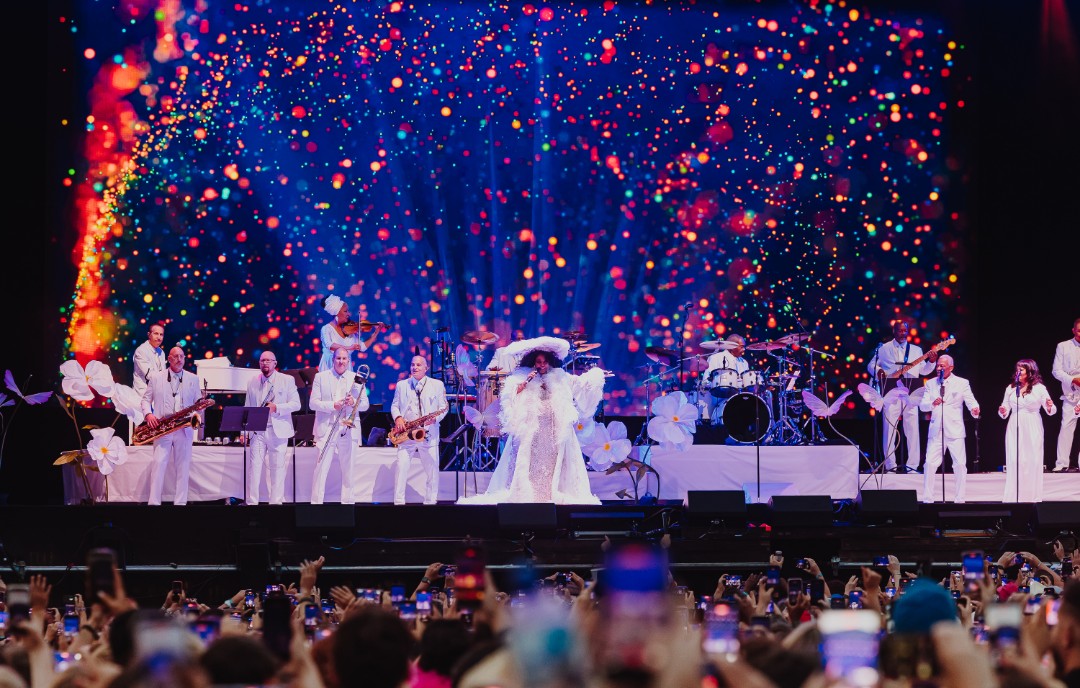
The Pride in the Park celebrations at Preston Park once again delivered the weekend’s biggest entertainment moments, combining international pop icons, LGBTQ+ performers and community talent across a programme designed to appeal to multiple generations.
The weekend’s musical programme began on Friday evening with a landmark performance from Nick Cave & The Bad Seeds at Pride on the Park. The appearance reflected the breadth of Brighton Pride’s cultural reach, bringing together alternative music audiences alongside the pop, dance and community celebrations that define the main Pride weekend.
Saturday’s performances brought a high-energy start to the main stage programme, with RAYE leading the headline entertainment. Known for her powerful vocals and genre-spanning style, RAYE’s appearance reflected the changing landscape of contemporary British pop, where artists increasingly blend soul, jazz, R&B and electronic influences. Her performance provided one of the weekend’s major musical highlights, connecting strongly with a diverse audience of long-time Pride attendees and younger festival-goers.
The programme continued with performances celebrating both mainstream pop culture and LGBTQ+ creativity, including a memorable DJ set from RuPaul, whose influence on global queer entertainment has helped bring drag culture and LGBTQ+ artistry into the mainstream. The performance represented the ongoing relationship between Pride celebrations and the artists who have shaped queer cultural visibility over decades.
Sunday delivered a fitting anniversary finale, with global music legend Diana Ross taking centre stage as the closing headline act. With a career spanning more than six decades, Ross brought a sense of history and celebration to the Preston Park stage, performing a catalogue of songs that have become part of international pop culture.
Her appearance was particularly significant for a Pride audience, reflecting the long relationship between LGBTQ+ communities and artists whose music has provided inspiration, empowerment and moments of collective celebration. The closing performance created a bridge between generations, bringing together audiences who grew up with Ross’s music and younger fans discovering her legacy.
The weekend also featured appearances from Paris Hilton, Holly Johnson and Melanie C, adding further variety to a line-up that celebrated different eras of pop. From camp and nostalgia to contemporary performances, the programme reflected Pride’s unique ability to bring together artists who represent different chapters of music history.
Beyond the headline names, Preston Park continued to provide a platform for LGBTQ+ performers, DJs and community voices, ensuring that the event remained more than a traditional music festival. The combination of global stars and grassroots representation remains one of Brighton Pride’s strongest qualities.
Brighton’s Street Party Atmosphere
Beyond the official programme, Brighton itself became part of the celebration.
The city’s streets, venues and businesses welcomed visitors throughout the weekend, creating the distinctive atmosphere that has helped make Brighton Pride one of the UK’s most recognised Pride events. From the seafront to the city centre, the event generated significant cultural and economic activity, with local businesses benefiting from one of the busiest weekends in Brighton’s annual calendar.
The scale of attendance also highlighted the logistical challenge of hosting a major public celebration. Transport planning, security measures and crowd management remained key considerations throughout the weekend as organisers and local authorities worked to ensure a safe experience for attendees.
More Than a Party
While Brighton Pride is internationally known for its music and celebration, its importance extends beyond entertainment. The event continues to raise awareness around LGBTQ+ rights, equality and inclusion, while creating a space where people from different generations can come together.
For many attendees, Pride represents both personal celebration and collective memory. Older generations remember the struggles that shaped the movement, while younger attendees experience a public expression of identity and belonging that previous generations fought to create.
That connection between history and the future remains one of Brighton Pride’s defining characteristics.
A Landmark Anniversary Celebration
Brighton Pride’s 35th anniversary demonstrated why the event remains one of the UK’s most significant LGBTQ+ celebrations.
The combination of community activism, world-class entertainment and the unique character of Brighton itself created a weekend that balanced celebration with reflection. From the Community Parade to Preston Park’s headline performances, Brighton Pride 2026 showed that Pride continues to evolve while maintaining its core purpose: bringing people together.
As LGBTQ+ communities continue to navigate changing social landscapes, events such as Brighton Pride remain a powerful reminder of the importance of visibility, solidarity and collective celebration.


