
Over the past decade, global horror cinema has evolved far beyond traditional monsters and jump scares. Across streaming platforms, cinemas, and social media ecosystems, horror has become one of the world’s most commercially resilient and emotionally immersive entertainment genres. Yet while horror continues to grow globally, different regions increasingly appear to construct fear in very different ways. Broadly, two distinct “fear economies” are becoming more visible. Western horror systems; particularly in the United States and Europe; increasingly emphasize technical immersion: psychological tension, sensory atmosphere, sound engineering, emotional pacing, and cinematic realism. By contrast, many Asian horror systems, especially across Southeast Asia, remain more rooted in symbolic and cultural frameworks involving ritual, spirituality, religions, possession, sacrifice, folklore, and supernatural cosmology.
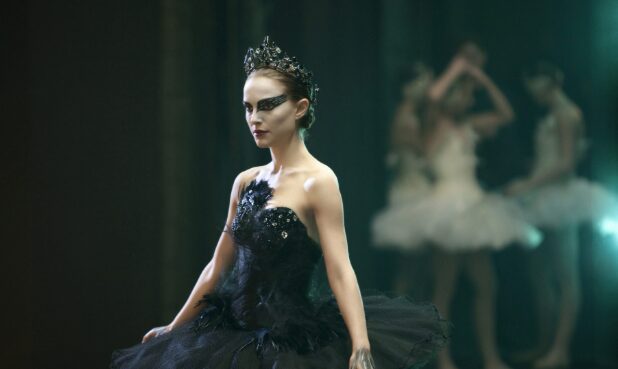
What is increasingly noticeable across both systems, however, is the growing centrality of women within modern horror narratives. In many Southeast Asian horror films, women frequently occupy the emotional and symbolic core of fear itself. Female figures often appear as spiritual vessels, supernatural entities, ritual focal points, sacrificial subjects, or embodiments of purity, trauma, or transgression. Religious symbolism, inherited folklore, and culturally embedded supernatural beliefs continue to shape many of these narratives, particularly in Indonesia, Thailand, and Malaysia. Meanwhile, Western horror systems have also evolved significantly. Female protagonists increasingly dominate contemporary psychological and “elevated” horror, with themes centered around trauma, emotional fragmentation, motherhood anxiety, bodily transformation, grief, rage, vulnerability, and identity instability. Women are no longer positioned only as victims or “final girls,” but increasingly as emotionally layered protagonists; and sometimes even as the fear itself.
Recent audience and representation data reinforce this shift. Studies have shown that horror now contains some of the strongest female on-screen representation among major entertainment genres, while female horror audiences continue growing globally. At the same time, female-centered horror subgenres; including psychological horror, body horror, and trauma-oriented narratives; have expanded significantly across streaming and publishing ecosystems.
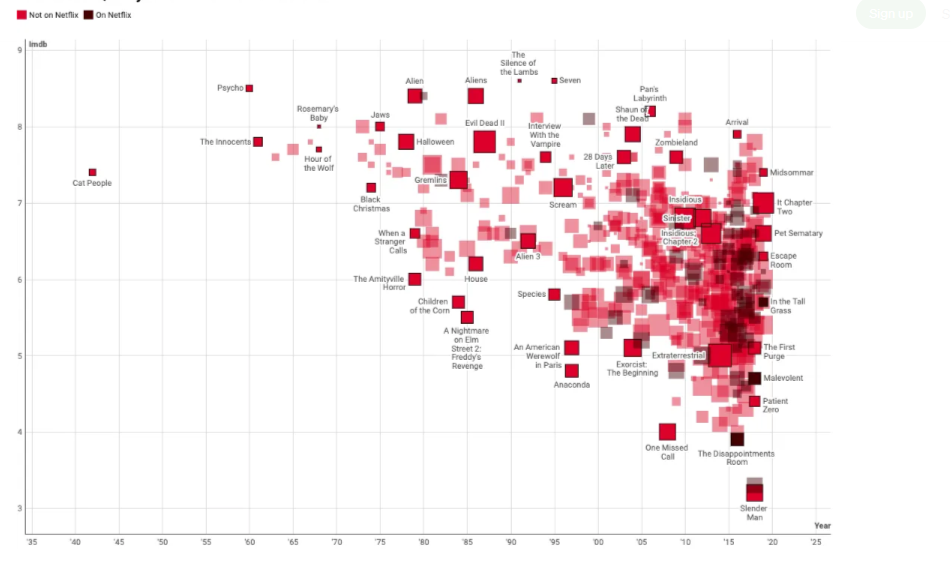
Interactive Chart click here
The increasing density and sophistication of jump scares in contemporary horror films also reflects how modern fear systems are becoming more emotionally immediate and immersive. Jump scares are no longer used simply as isolated shock devices, but increasingly function within broader psychological environments built around anticipation, emotional vulnerability, sensory tension, and intimacy with the viewer. Importantly, many of these emotionally immersive systems are increasingly structured around women-centered narratives.
In Western horror, fear is often experienced through female emotional perspectives: isolation, anxiety, motherhood, social pressure, bodily discomfort, or psychological instability. Across many Asian symbolic-cultural horror systems, women more frequently become the medium through which spiritual imbalance, ritual disruption, supernatural punishment, or inherited cultural anxieties are expressed. Although the cinematic languages differ, both systems increasingly position women at the center of modern fear experiences. This does not necessarily suggest that horror cinema itself is inherently harmful, nor that women are being “targeted” in a simplistic sense. Rather, it highlights how global horror industries increasingly organise fear through emotionally resonant female-centered frameworks that audiences appear to connect with strongly across different cultures.
As modern horror continues evolving through streaming algorithms, viral social media discussion, and emotionally intensive storytelling, the genre production may ultimately reveal less about monsters themselves, and more about how societies have to face and process anxiety, vulnerability, identity, trauma, and emotional uncertainty; increasingly through women-centered narratives across two rapidly evolving global fear economies.


