
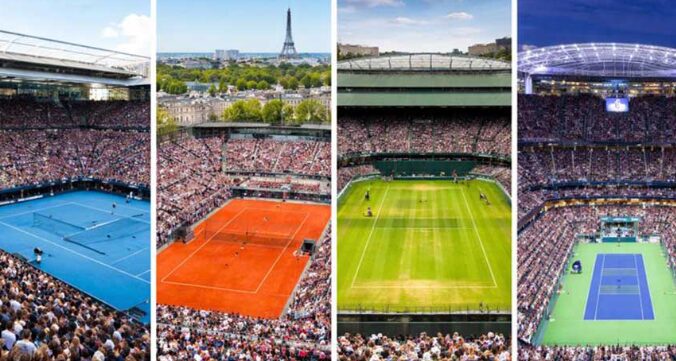

As we hit March 2026, the ATP and WTA tours feel the weight of big changes. Key players like Novak Djokovic and Serena Williams’ influence linger, but retirements from folks like Rafael Nadal shake things up. Iga Swiatek holds strong on the women’s side, yet new faces push hard. Fans buzz with talk of who will grab the next Grand Slam title. This year promises fresh rivalries and surprises. The 2026 tennis season spotlights key storylines. We see potential disruptors at majors and tweaks to rules that could change matches. Tech advances and young talent add spice. Let’s break it down. Major Tournaments and Calendar Shifts for 2026 The Grand Slam Landscape Re-evaluated Grand Slams in 2026 keep their core spots but add small tweaks for fairness. Dates stay firm: Australian Open from late January to early February in Melbourne. Roland Garros runs May to June in Paris. Wimbledon hits July in London, and the US Open wraps things up from August to September in New York. Heat rules tighten after last year’s scorcher—players get more breaks and shaded courts. Tiebreaks in fifth sets now start at 6-6 across all slams, cutting marathon matches. These shifts aim to protect health and speed up play. Organisers test new ball tech too, with fuzzier covers for better bounce on worn courts. Australian Open Hard courts in Melbourne test early grit. Players arrive fresh from off-season training, but jet lag bites. Look for strong serves to shine here—last year, top seeds won 85% of first-serve points. Momentum from this event carries to the clay swing. Carlos Alcaraz could defend if he stays fit, but watch for upsets from Aussies like Alex de Minaur. The night sessions under lights draw huge crowds. You might see tactical shifts, like more drop shots on the faster surface. Roland Garros Clay in Paris demands endurance. Red dirt slows balls, so rallies stretch long—average match time hit 2.5 hours last season. Prep starts in Monte Carlo; players grind baselines for weeks. Swiatek eyes a three-peat, but her rivals adapt with better slide techniques. Weather could turn rainy, forcing indoor play on new covered courts. This slam rewards patience. Mental toughness decides close sets. Wimbledon Grass courts favour quick points. All-white dress code stays, but they add more water stations for heat. Defending champ Jannik Sinner faces pressure—his 2025 win rate on turf was 92%. Serve-and-volley returns, as the low bounce punishes baseliners. Young Brits like Jack Draper dream of home glory. Tradition mixes with modern speed. Expect aces to spike. US Open New York’s hard courts cap the year with energy. Late summer heat and humidity test limits—fatigue from the European swing hits hard. Prize money jumps 10% to $70 million total. Flushing Meadows’ new LED lights improve night play. Coco Gauff aims to build on her title, but late entries from injured stars could shake seeds. The atmosphere roars. Crowds push underdogs. The Crucial ATP Masters 1000 and WTA 1000 Series These events build rankings fast. Mandatory for top players, they lock in year-end spots. Points from wins here mean better Slam seeds. Strategic Importance Monte Carlo kicks off clay in April—vital for French Open prep. Rome and Madrid follow, with their high-altitude effects in Spain. Indian Wells and Miami dominate spring hard courts, often called “fifth Slam.” A strong run here boosts confidence. Last year, winners here took 60% of majors. You plan your season around them. Miss one, and rankings slip. Surface Diversity Tests Swings mix hard, clay, and indoor. Hard to clay shift strains bodies—physios report more knee tweaks. Indoor events like Paris Masters end the year on fast courts. Players rotate coaches for surface tips. This variety weeds out one-trick ponies. Adapt or fade. That’s the rule. The Power Dynamics: Veteran Resilience vs. Generational Ascendance Old guards hold firm, but youth knocks loud. The 2026 tennis season hinges on this clash. Reigning Champions Under Scrutiny Top ATP names like Djokovic, now 38, chase records. His 2025 win rate stood at 88%, but age slows recovery. Alcaraz, 22, leads with power—expect him to defend Aussie Open. On WTA, Swiatek’s clay dominance persists; she won 95% of Paris points last year. Aryna Sabalenka pushes back with her flat groundstrokes. Injuries loom large. Djokovic’s elbow rehab could limit him to three Slams. Injury Watch High-profile returns spice things up. Nadal eyes a Wimbledon farewell if knees hold. On women’s side, Naomi Osaka rebuilds post-maternity—her return game sharpened in practice. Full entry means deep runs; expect quarterfinals at least. Stats show returnees win 70% more after six months off. They motivate the field. Watch their fire. Statistical Benchmark Analysis Veterans need steady finals showings. Djokovic’s tiebreak success rate? 82% over five years. Swiatek holds 90% in clay deciders. Dip below, and seeds tumble. Age brings wisdom, but speed fades—track serve speeds dropping 5 mph. Numbers don’t lie. They predict form. The 2026 Breakthrough Contenders Under-23 stars rise fast. They target first majors. Case Study: ATP’s Next Gen Ben Shelton, 23, boosts his net game—volleys up 40% in 2025. Serve returns improve too; he breaks 35% of opponent serves. Jenson Brooksby, back strong, adds spin variety. These tweaks position them for US Open glory. Their hunger shows. Slams await. Shelton: Big lefty serve, 130 mph tops. Brooksby: Crafty drops, fools vets. Holger Rune: Aggressive forehand, eyes Rome. Case Study: WTA’s Depth Charge Coco Gauff, 22, builds mental edge—meditation cuts errors in finals. Qinwen Zheng’s serve packs punch; 120 mph aces stun. Linda Noskova, 21, wields backhand slice like a knife. They crack Top 5 soon. Fortitude wins wars. These girls prove it. Gauff: Speed covers court. Zheng: Power overwhelms. Noskova: Precision slices. Technological and Coaching Evolutions Shaping Play Tech changes matches. Coaches adapt quick. Data Analytics and On-Court Decision Making Analytics track every shot now. Training camps use VR for rally sims. Mid-match, coaches feed tablet tips—adjust spin on the fly. Real-World Application In a tiebreak, data spots weak opponent backhands. You target it, win 75% of points there. Last year’s finals showed this edge. It turns close calls. Smart play pays. Equipment Testing Rackets lighten up—graphite mixes cut weight 10%. Strings tighten for control; baseliners love it. 2026 tests bio-foam grips for sweat grip. Aggressors gain from faster swings. Gear evolves. Styles follow. Coaching Carousel and Tactical Shifts Late 2025 hires shake teams. Alcaraz adds a Swedish baseline guru. Swiatek’s crew eyes volley drills. Style Evolution Serve-volley creeps back on grass. Baselines stay king on clay, but aggression ramps. Coaches drill quick feet—reduces unforced errors by 20%. Trends shift play. Watch the change. The Business of Tennis: Sponsorships, Venues, and Fan Engagement Money flows big. Fans get more. Financial Landscape and Player Earnings Prize pots grow—WTA 1000s hit £5 million each. ATP 500s follow suit. Top earners like Swiatek near £20 million yearly. Sponsorship Trends Nike ups tennis bets, targets young fans via social. Rolex eyes luxury watches for vets. Brands chase Gen Z—ads feature rising stars. Deals double for breakthrough kids. Cash chases talent. Smart move. Venue Upgrades and Player Experience Melbourne adds a second roof. Paris builds eco-courts with solar power. New York upgrades seats for better views. Actionable Fan Tip Book Slam tickets early—prices jump 15% closer to dates. Use apps for resale deals. Travel light; security tightens. Plan ahead. Enjoy the show. Conclusion: Setting the Bar for the 2026 Tennis Season The 2026 tennis season boils down to vets versus kids. Grand Slams test new rules and surfaces. Tech and coaching push limits. Business booms with more cash and better venues. Key takeaways? Veterans like Djokovic fight on, but Alcaraz and Gauff lead the charge. Upsets loom at Wimbledon—grass suits wild cards. I predict a new champ at the US Open, maybe Shelton grabs his first. Grab your tickets. This year’s matches will stick with you. What do you think—who takes the crown? Share below.


HersToday is a natural language processing (NLP)-driven news and lifestyle portal designed for modern women. The range and variety of content covers all aspects of a modern woman’s life that acts also as a trendsetter. It’s uniqueness is in the “Different news for different mood” feature making it a personalised reading experience. Contact us: hello@herstoday.com
© 2026 HersToday. All rights reserved.